
What Is Nutrition? A Simple Guide to Healthy Eating
Many people hear words like protein, vitamins, healthy food, and balanced diet every day. But nutrition does not have to be confusing.
Simply put, nutrition is about giving your body the food and nutrients it needs to work properly.
The food you eat can affect your energy, strength, growth, and overall well-being. That is why learning the basics of nutrition can be a helpful first step toward building healthier habits.
In this simple guide, we will explain what nutrition is, why it is important, and how you can make better food choices in your daily life.

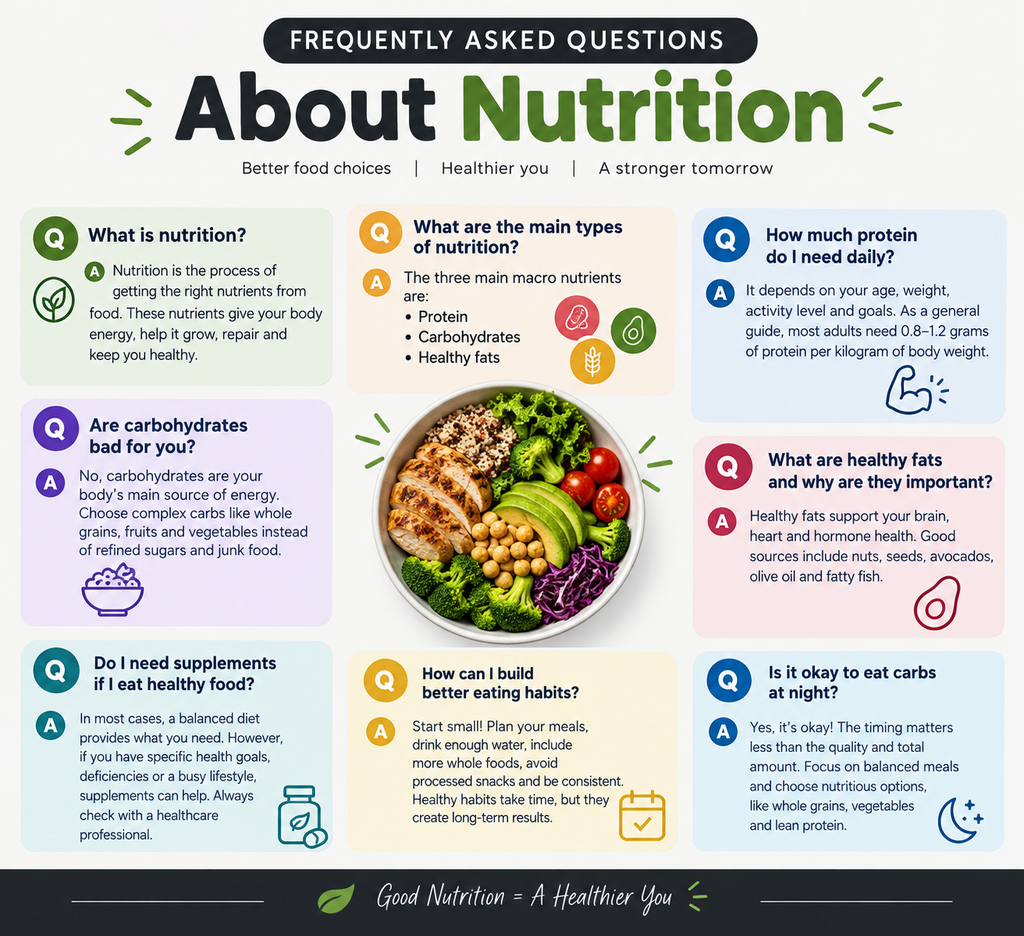
What Is Nutrition?
Nutrition is the process of getting nutrients from food and drinks and using them to support the body’s normal functions.
Your body needs different nutrients to work properly. These nutrients help provide energy, support growth, and help your body carry out many important daily tasks.
Good nutrition does not mean eating perfectly all the time.
It also does not mean giving up every food you enjoy.
Instead, healthy nutrition is about making balanced choices most of the time and giving your body a variety of useful nutrients.
Why Is Nutrition Important?
Your body needs energy and nutrients every day.
The food and drinks you consume help support many important functions. For example, good nutrition can help support:
- Daily energy needs
- Normal growth and development
- Muscle function
- Bone health
- Normal body functions
- Overall health and wellness
Everyone has different nutritional needs. Age, activity level, lifestyle, and personal health needs can all affect what a person needs.
This is why there is no single perfect diet for everyone.
The goal is to build eating habits that are balanced, realistic, and easy to maintain.

The Main Types of Nutrients
Your body needs several different types of nutrients. These are often divided into two main groups: macronutrients and micronutrients.
Let’s look at both in simple terms.
Macronutrients
Macronutrients are nutrients that your body needs in larger amounts.
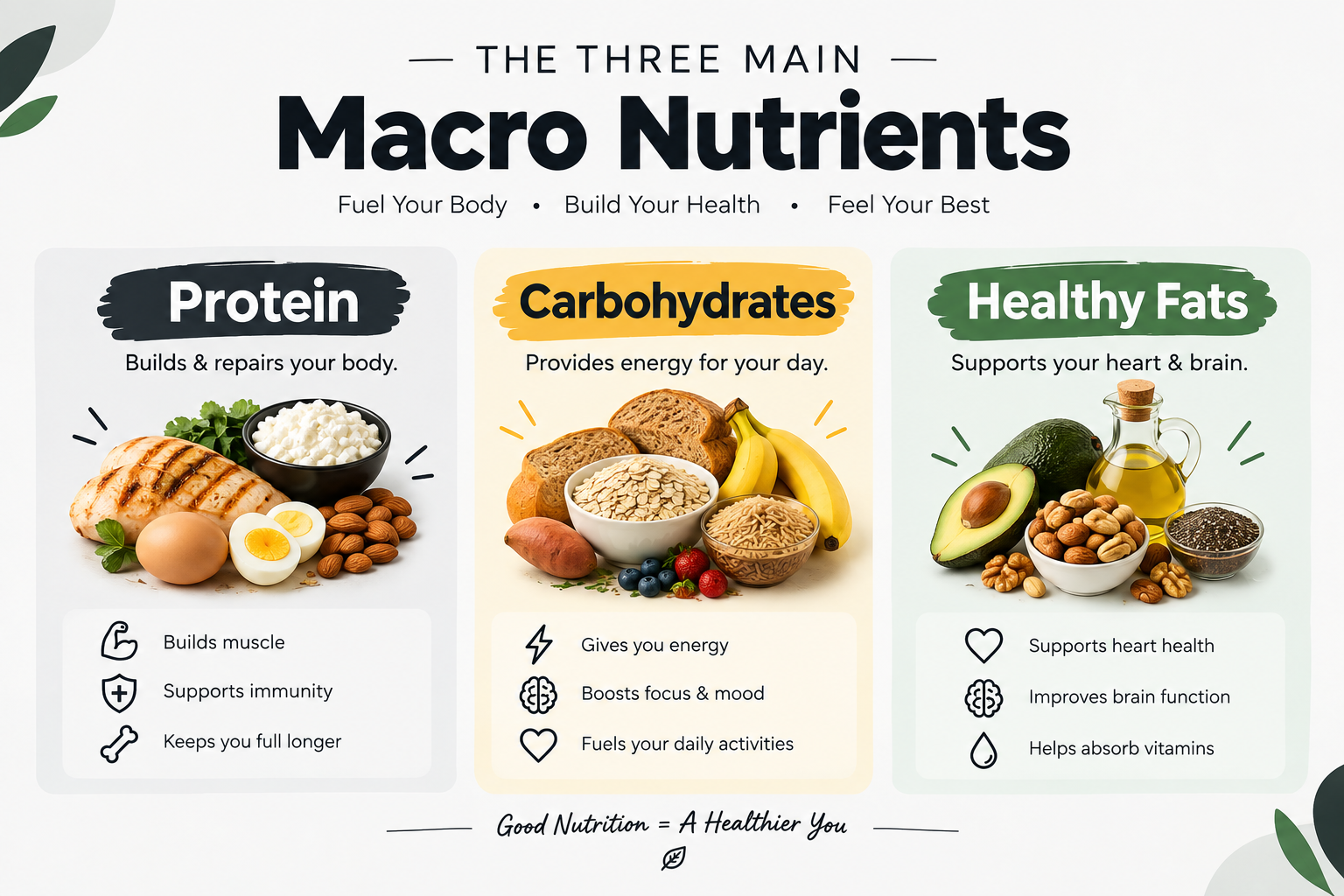
The three main macronutrients are:
Protein
Protein is an important nutrient that helps support many functions in the body.
Protein can be found in foods such as:
- Eggs
- Fish
- Chicken
- Beans
- Lentils
- Dairy products
- Nuts and seeds
People who exercise may pay special attention to protein, but protein is important for everyone.
Carbohydrates
Carbohydrates are one of the main sources of energy for the body.
Carbohydrates are found in foods such as:
- Fruits
- Vegetables
- Rice
- Oats
- Bread
- Potatoes
- Beans
Not all carbohydrates are the same. Choosing more whole and nutrient-rich foods can be a helpful part of a balanced diet.
Healthy Fats
Fat is also an important nutrient.
Your body needs certain fats to support normal functions.
Sources of healthy fats can include:
- Avocados
- Nuts
- Seeds
- Olive oil
- Fatty fish
The key is balance. You do not need to avoid all fats to eat healthily.
What Are Micronutrients?
Micronutrients are nutrients that your body needs in smaller amounts.
They mainly include vitamins and minerals.
Examples include:
- Vitamin C
- Vitamin D
- Vitamin B12
- Calcium
- Iron
- Magnesium
- Zinc
These nutrients support different functions throughout the body.
A varied diet with fruits, vegetables, whole foods, and other nutrient-rich foods can help you get many important micronutrients.
In some situations, dietary supplements may also help people meet certain nutritional needs. However, supplements should not automatically replace a balanced and varied diet.
What Does a Balanced Diet Look Like?
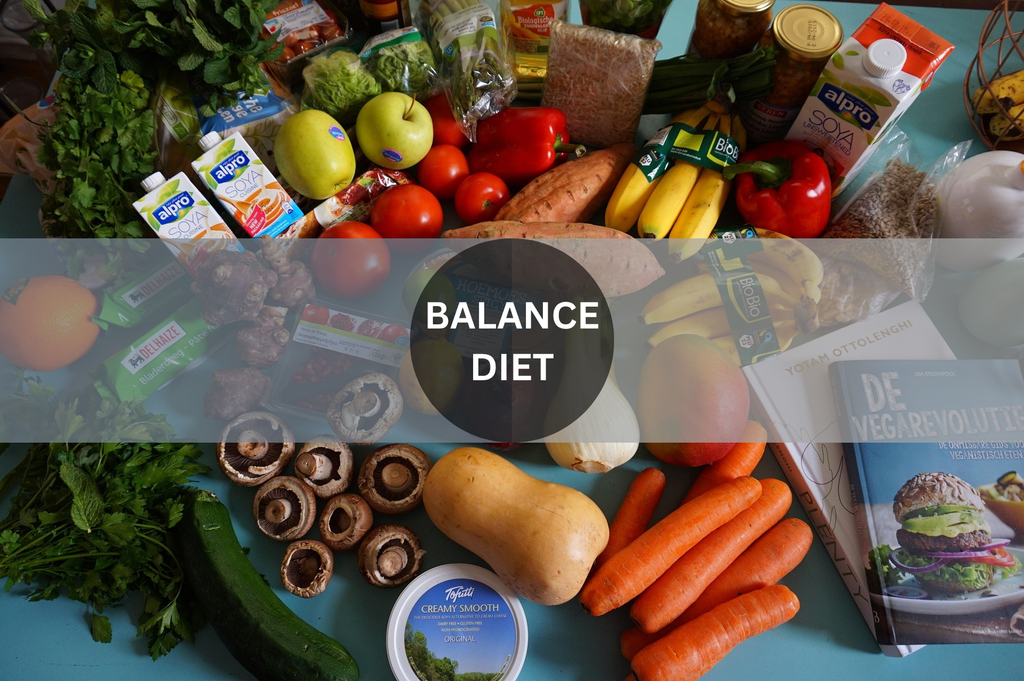
A balanced diet includes different types of foods that provide a variety of nutrients.
You do not need every meal to be perfect.
Instead, think about balance over time.
A healthy eating pattern may include:
- Fruits and vegetables
- Protein-rich foods
- Whole grains
- Healthy fats
- Enough fluids
One simple way to think about your meals is to include different food groups instead of eating the same type of food every day.
For example, a meal might include vegetables, a source of protein, and a carbohydrate source.
Small improvements can make a difference over time.
Simple Tips for Healthy Eating
Healthy eating does not need to be complicated.
Here are a few simple tips you can try.
1. Eat More Variety
Try to include different foods in your diet.
Different foods provide different nutrients.
Eating a variety of fruits, vegetables, proteins, and whole foods can help create a more balanced eating pattern.
2. Drink Enough Water
Water is an important part of daily wellness.
Your hydration needs can change based on factors such as weather, activity, and your individual needs.
Try to drink water regularly throughout the day.
3. Include Protein in Your Meals
Adding a protein source to meals can be a simple way to support a balanced diet.
You can choose foods such as eggs, beans, fish, dairy products, or other protein-rich options.
4. Choose Whole Foods More Often
Whole and minimally processed foods can provide useful nutrients.
Examples include:
- Fruits
- Vegetables
- Whole grains
- Beans
- Nuts
- Seeds
You do not need to avoid all processed foods. The goal is simply to make nutritious choices more often.
5. Make Changes Slowly
You do not need to change your entire diet overnight.
Start with one small habit.
You could add an extra serving of vegetables, drink more water, or prepare more meals at home.
Small habits can be easier to maintain.
Common Nutrition Mistakes to Avoid
Many people make nutrition harder than it needs to be.
Here are some common mistakes.
Trying to Eat Perfectly
There is no need for perfection.
One less healthy meal does not ruin your entire diet.
Focus on your overall habits instead of worrying about every single food choice.
Following Extreme Diets
Very strict diets can be difficult to follow for a long time.
Before making major changes to your diet, it can be helpful to understand whether the approach is safe and suitable for your needs.
Ignoring Portion Sizes
Even nutritious foods are best enjoyed as part of a balanced diet.
Learning about reasonable portions can help you build healthier eating habits.
Believing Every Nutrition Trend
New diets and wellness trends appear all the time.
Not every trend is useful for everyone.
Look for reliable information and avoid products or diets that promise instant or guaranteed results.
Can Supplements Replace Healthy Food?
Dietary supplements can be useful in certain situations, but they are not meant to replace a healthy and varied diet.
Food can provide a wide range of nutrients and other useful compounds.
If you are considering supplements, it is important to understand why you want to take them and whether they fit your individual needs.
People who are pregnant, taking medication, or managing a medical condition should speak with a qualified healthcare professional before starting certain supplements.
Frequently Asked Questions About Nutrition
What is nutrition in simple words?
Nutrition is the process of getting nutrients from food and drinks to support your body’s normal functions.
Why is good nutrition important?
Good nutrition helps provide the nutrients and energy your body needs for daily life and overall wellness.
What are the main nutrients?
The main nutrient groups include carbohydrates, protein, fats, vitamins, and minerals.
Do I need to eat perfectly to be healthy?
No. Healthy eating is about making balanced choices most of the time, not being perfect every day.
Can supplements replace food?
No. Supplements are not a replacement for a balanced and varied diet.
What is the easiest way to start eating healthier?
Start with one small change, such as eating more vegetables, drinking more water, or choosing more whole foods.
Final Thoughts
Nutrition does not have to be difficult.
At its core, nutrition is about giving your body the energy and nutrients it needs to support everyday life.
You do not need a perfect diet or a complicated plan to start making healthier choices.
Start small. Eat a variety of foods. Drink enough water. Include important nutrients in your meals. Most importantly, build habits that you can maintain over time.
At WellnessCarts.com, we believe wellness starts with clear and simple information. Our goal is to help you understand nutrition, supplements, and healthy lifestyle choices so you can make informed decisions that fit your needs.
A healthier lifestyle does not always begin with a big change. Sometimes, it starts with one simple choice today.