

Have you ever wondered what dietary supplements are and why people use them?
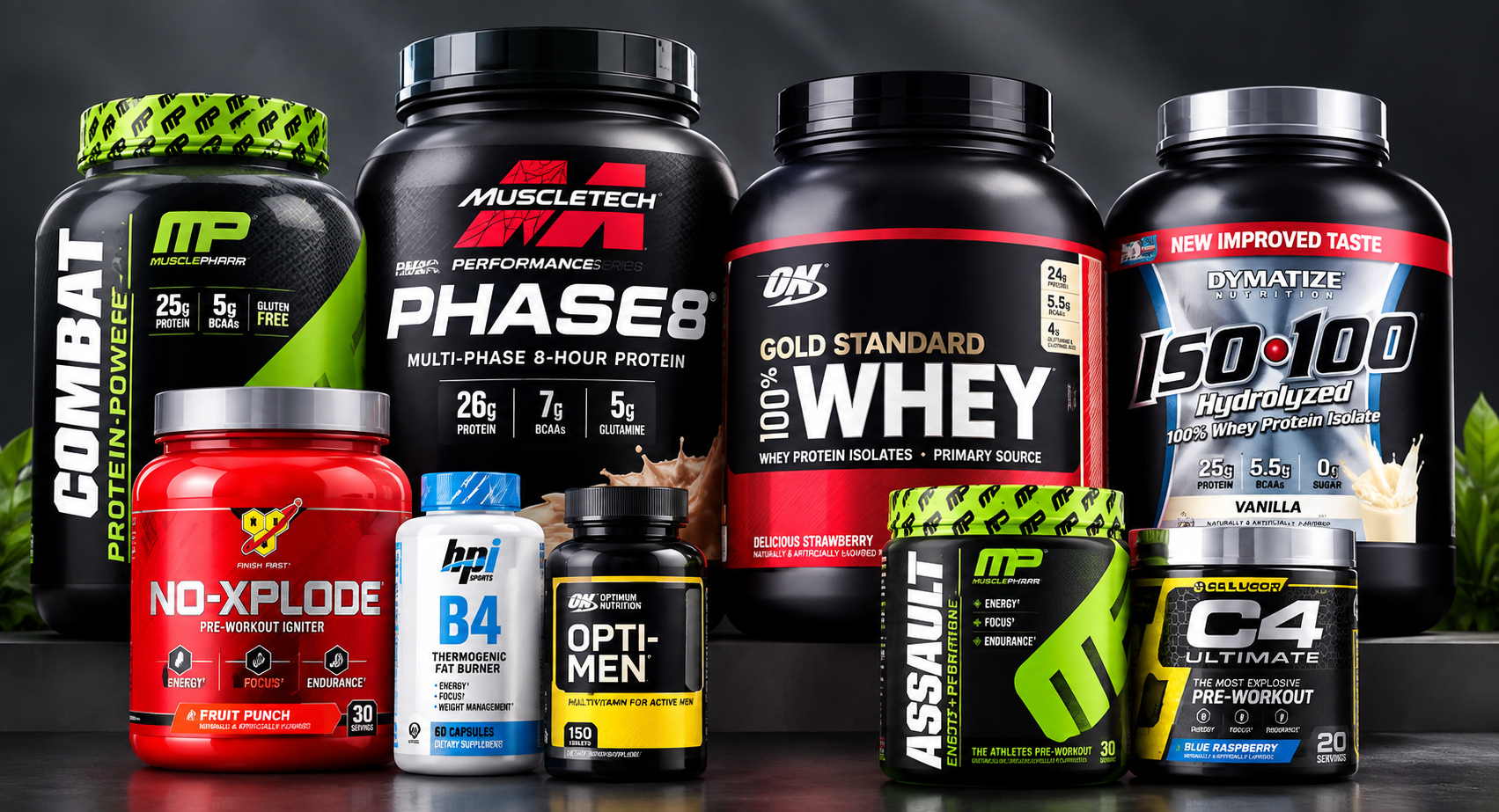
Walk into a pharmacy or browse online, and you may find many different products. There are vitamins, minerals, protein powders, probiotics, omega-3 products, and many other supplements.
With so many choices available, supplements can sometimes feel confusing.
A dietary supplement is a product designed to add to your diet. Depending on the product, it may contain vitamins, minerals, proteins, herbs, or other ingredients.
However, supplements are not meant to replace a healthy and balanced diet.
In this beginner’s guide, we will explain what dietary supplements are, the common types available, and what you should consider before choosing one.
What Are Dietary Supplements?
Dietary supplements are products that are intended to add nutrients or other ingredients to your regular diet.
They come in many different forms, including:
- Tablets
- Capsules
- Powders
- Gummies
- Liquids
- Soft gels
Some supplements contain a single nutrient, such as vitamin D or magnesium. Others contain a combination of vitamins, minerals, or other ingredients.
For example, a protein powder may help add protein to your diet, while a vitamin supplement may provide a specific vitamin.
The purpose of a supplement can vary depending on the product and a person’s individual nutritional needs.
Why Do People Use Dietary Supplements?
People use supplements for many different reasons.
Some people may find it difficult to get certain nutrients from their regular diet. Others may have specific nutritional needs based on their lifestyle or food choices.
For example, someone who does not eat many protein-rich foods may look for ways to increase their protein intake.
Other people may choose supplements to help support their overall nutritional intake.
It is important to remember that everyone is different.
A supplement that may be suitable for one person may not be necessary or suitable for another person.
That is why it is helpful to understand your needs before choosing a supplement.
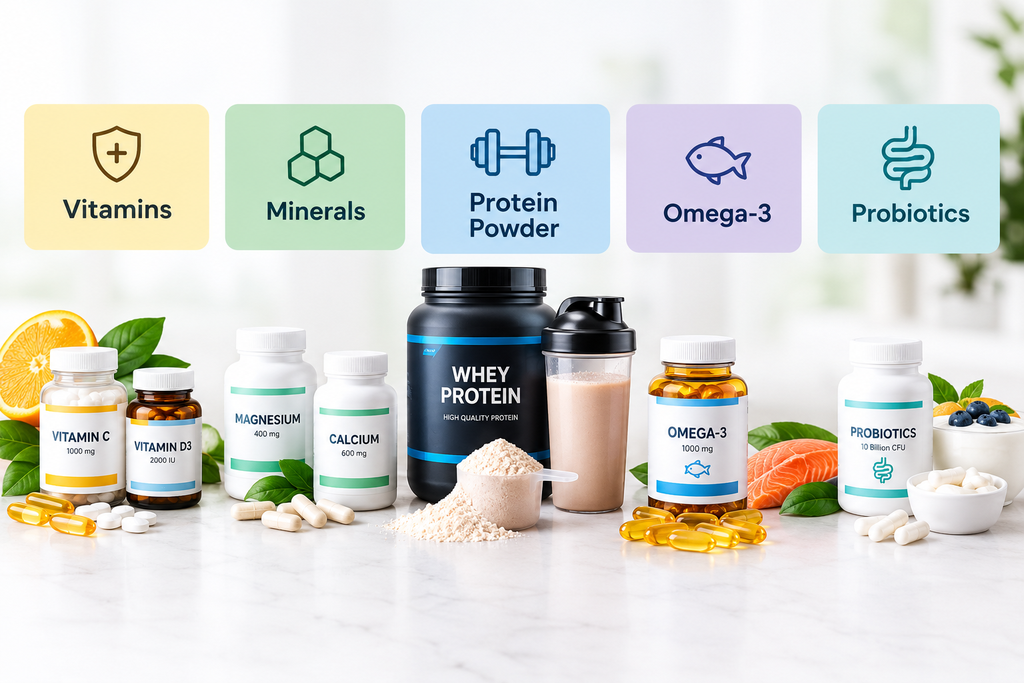
Common Types of Dietary Supplements
There are many different types of supplements available today.
Here are some of the most common categories.
Vitamins
Vitamins are nutrients that play important roles in normal body functions.
Common vitamin supplements include:
- Vitamin C
- Vitamin D
- Vitamin B12
- Multivitamins
Different vitamins have different roles in the body.
A varied diet can provide many vitamins, but some people may have individual nutritional needs that require additional attention.
Minerals
Minerals are also important nutrients.
Common mineral supplements include:
- Magnesium
- Calcium
- Iron
- Zinc
The right amount and type can depend on individual needs.
Protein Supplements
Protein supplements are commonly available as powders or ready-to-drink products.
Examples include:
- Whey protein
- Plant protein
- Soy protein
Protein powders can be a convenient way to add protein to the diet when needed.
However, whole food sources of protein are also an important part of a balanced diet.
Omega-3 Supplements
Omega-3 supplements are another popular category.
They are often available in fish oil or algae-based forms.
People may choose these products as part of their overall nutrition plan.
Probiotics
Probiotics are products that contain certain live microorganisms.
They are available in different forms, including capsules, powders, and some foods.
Different probiotic products may contain different strains and ingredients.
Can Dietary Supplements Replace Healthy Food?
No. Dietary supplements are not designed to replace a healthy and balanced diet.
Whole foods provide more than just individual nutrients.
Foods such as fruits, vegetables, grains, beans, nuts, seeds, and protein-rich foods can provide a variety of nutrients as part of your daily eating pattern.
Supplements may help add certain nutrients when appropriate, but they work best when considered as part of an overall nutrition plan.
Think of supplements as an addition to your diet, not a replacement for healthy meals.
A strong nutrition foundation should begin with a varied and balanced eating pattern whenever possible.
How to Choose a Dietary Supplement
Choosing a supplement can feel difficult because there are so many products available.
Here are a few simple things to consider.
1. Understand Why You Want It
Before buying a supplement, ask yourself why you are considering it.
Are you trying to add a specific nutrient to your diet?
Do you have a lifestyle or dietary reason for choosing the product?
Understanding your goal can help you make a more informed choice.
2. Read the Supplement Label
Always take time to read the label.
Look at:
- The ingredients
- Serving size
- Amount of each ingredient
- Directions for use
- Other important information
Understanding the label can help you know what you are taking.
3. Avoid Unrealistic Promises
Be careful with products that promise instant or guaranteed results.
Good nutrition and wellness usually take time.
No supplement works exactly the same way for every person.
4. Consider Product Quality
Look carefully at the product and the information provided by the manufacturer.
Clear labeling and transparent ingredient information can help you make a better choice.
5. Ask a Qualified Professional When Needed
If you are unsure whether a supplement is right for you, speak with a qualified healthcare professional.
This is especially important if you are pregnant, taking medications, or managing a medical condition.

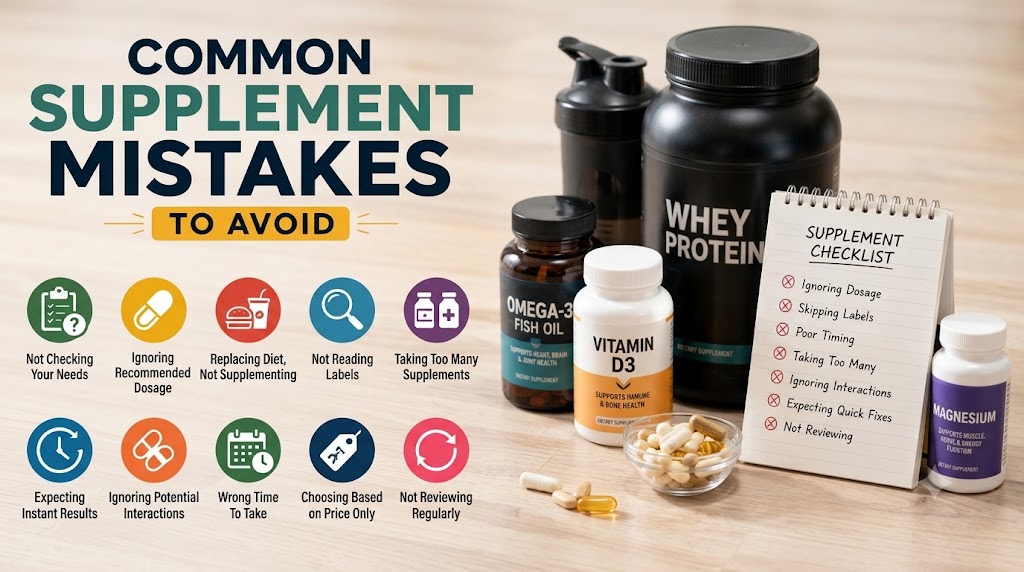
Common Mistakes to Avoid When Taking Supplements
Supplements can be useful, but it is important to use them responsibly.
Here are some common mistakes to avoid.
Taking More Than Recommended
More is not always better.
Always follow the product directions and avoid taking more than recommended without professional advice.
Using Supplements Instead of Food
Supplements should not replace a varied and balanced diet.
Healthy meals should remain an important part of your nutrition routine.
Buying Products Without Reading the Label
Always check what a product contains before using it.
This can help you understand the ingredients and serving size.
Believing Every Marketing Claim
Be careful with products that make dramatic promises.
Trustworthy nutrition information should be realistic and clear.
Are Dietary Supplements Right for Everyone?
Not everyone needs the same supplements.
Some people may meet many of their nutritional needs through food alone.
Others may have individual dietary needs that make certain supplements useful.
The best choice depends on your personal situation, diet, and nutritional needs.
That is why it is important to avoid choosing supplements simply because they are popular.
Understanding your own needs is a better starting point.
Frequently Asked Questions About Dietary Supplements
What are dietary supplements?
Dietary supplements are products designed to add nutrients or other ingredients to your regular diet.
What are the most common types of supplements?
Common types include vitamins, minerals, protein powders, omega-3 products, probiotics, and multivitamins.
Can supplements replace healthy food?
No. Supplements are not designed to replace a healthy and balanced diet.
Are supplements necessary for everyone?
No. Nutritional needs are different for each person, and not everyone needs the same supplements.
How do I choose the right supplement?
Start by understanding your needs, reading the label, checking the ingredients, and seeking professional advice when necessary.
Can I take more than the recommended amount?
You should follow the product directions. Taking more than recommended is not always better.
Final Thoughts
Dietary supplements can be a useful part of a person’s nutrition plan in certain situations.
They come in many forms and may contain vitamins, minerals, protein, probiotics, or other ingredients.
However, supplements are not a replacement for healthy food.
A balanced diet with a variety of nutritious foods should remain the foundation of good nutrition.
Before choosing a supplement, take time to understand your needs. Read the label carefully, check the ingredients, and avoid products that make unrealistic promises.
At WellnessCarts.com, we believe that better choices start with better information. Our goal is to provide simple, clear, and trustworthy guidance about nutrition and dietary supplements.
Learning the basics can help you make more informed decisions and choose products that fit your individual nutrition goals.
Remember, supplements work best when they are part of a thoughtful approach to nutrition, not a shortcut to better health.
