
For many years, people thought that all fats were bad.
But that is not true.
Fat is an important part of a balanced diet. Your body needs fat for energy and other normal functions. The key is understanding the different types of fat and choosing nutritious sources more often.
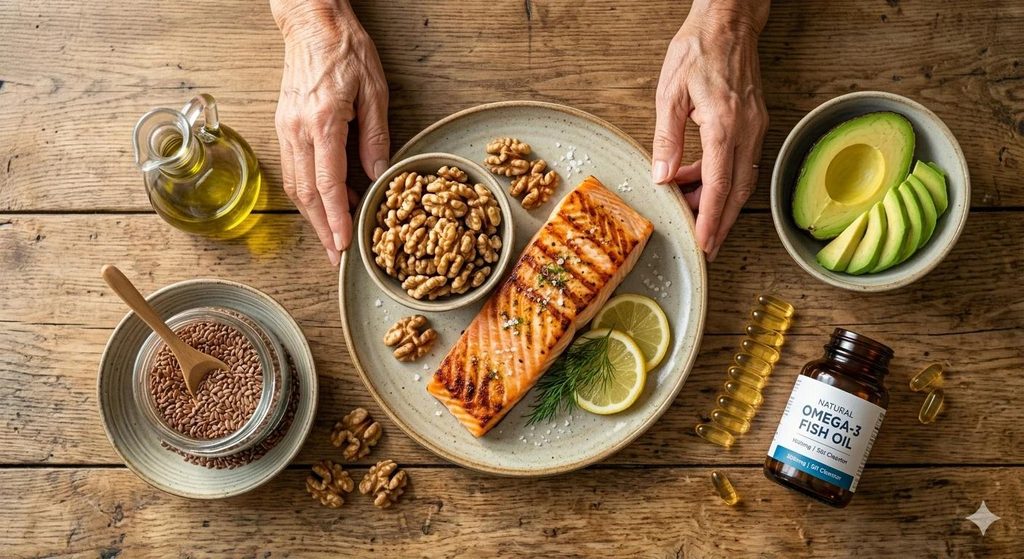
Healthy fats can be found in foods such as avocados, nuts, seeds, olive oil, and certain fish.
You do not need to remove fat from your diet to eat healthy. Instead, focus on the types of fat you eat and the overall quality of your diet.
In this guide, we will explain what healthy fats are, where to find them, and how to include them in your everyday meals.
What Are Fats?
Fat is one of the three main macronutrients, along with protein and carbohydrates.
Your body needs fat as part of a balanced diet.
Fat can:
- Provide energy
- Help your body absorb certain vitamins
- Support normal cell function
- Help maintain normal body tissues
- Add flavor and texture to foods
Different foods contain different types of fat.
Some fats are more beneficial to include regularly, while others are best limited.
This is why it is better to focus on fat quality rather than trying to avoid all fats.
What Are Healthy Fats?
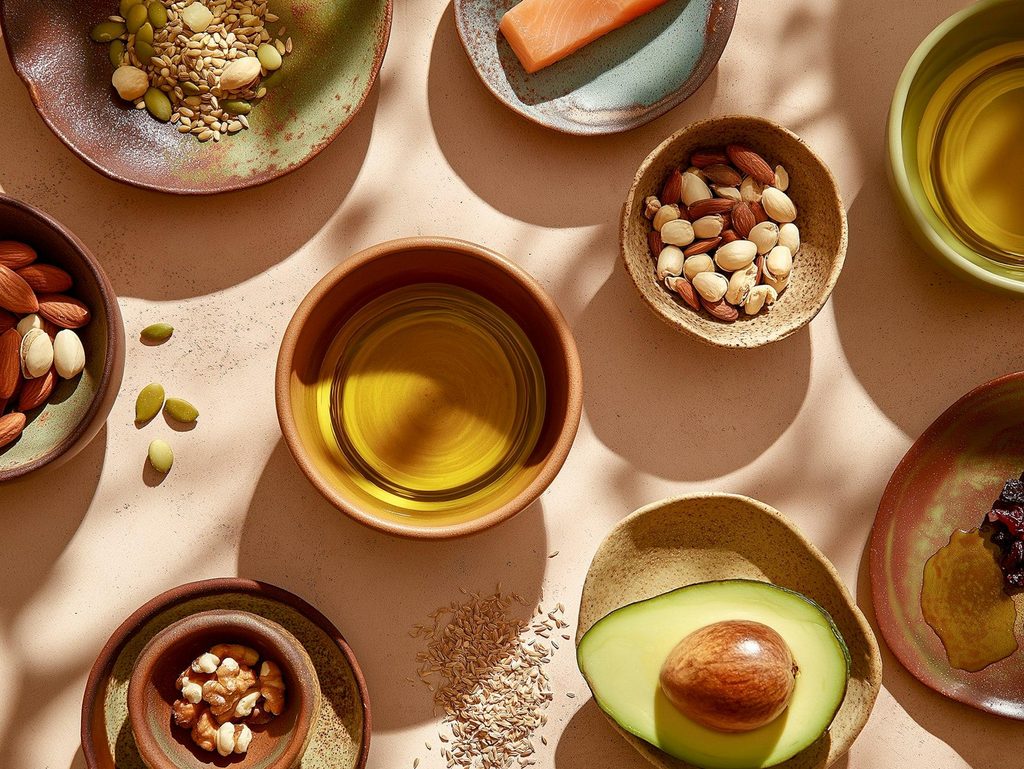
When people talk about “healthy fats,” they are usually referring to unsaturated fats.
These include:
- Monounsaturated fats
- Polyunsaturated fats
These fats are found in many nutritious foods.
Good sources include:
- Avocados
- Almonds
- Walnuts
- Peanuts
- Chia seeds
- Flaxseeds
- Sunflower seeds
- Olive oil
- Fatty fish
Including these foods as part of a balanced diet can help you get healthy fats along with other nutrients.
Monounsaturated Fats
Monounsaturated fats are found in many plant foods.
Good sources include:
- Avocados
- Olive oil
- Peanuts
- Almonds
- Cashews
For example, you can add avocado to a sandwich, use olive oil in cooking, or add a small handful of nuts to a snack.
These simple changes can add variety and nutritious fats to your meals.
Polyunsaturated Fats
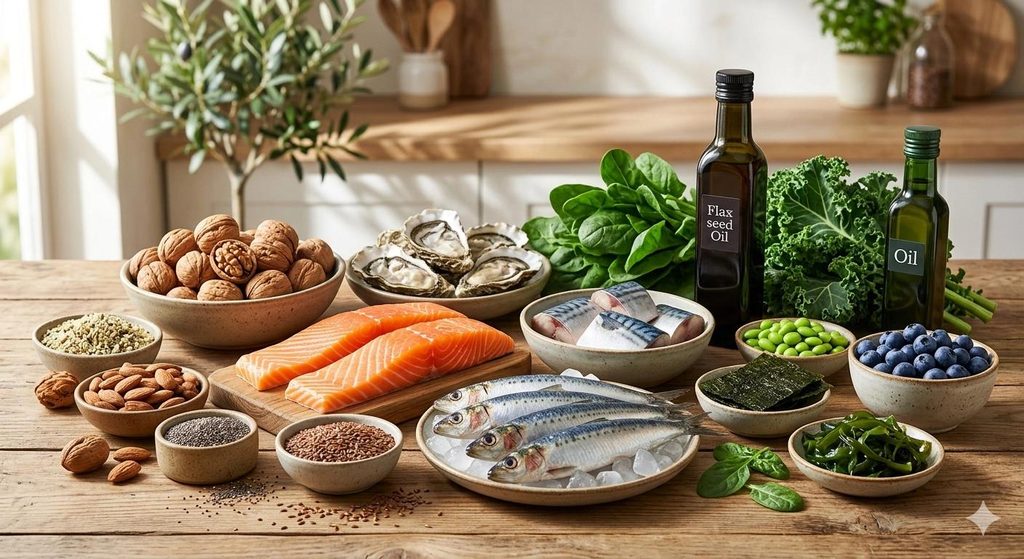
Polyunsaturated fats include omega-3 and omega-6 fatty acids.
These fats are found in foods such as:
- Salmon
- Sardines
- Mackerel
- Walnuts
- Chia seeds
- Flaxseeds
- Sunflower seeds
- Some vegetable oils
Omega-3 fats are especially well known because they play important roles in normal heart, brain, and eye function.
Fish is one way to get omega-3 fats from food. Plant foods such as walnuts and flaxseeds also provide certain types of omega-3 fats.
What About Saturated Fat?
Saturated fat is another type of fat.
It is naturally found in foods such as:
- Butter
- Cheese
- Cream
- Fatty meats
- Coconut products
Some foods contain a mix of different types of fat.
The goal is not necessarily to remove every food that contains saturated fat. Instead, many healthy eating patterns focus on choosing unsaturated fat sources more often and keeping saturated fat intake within recommended limits.
Your overall diet matters.
What About Trans Fats?
Trans fats are a type of fat that should generally be avoided or kept as low as possible.
Some industrially produced trans fats can be found in certain processed foods.
Food regulations have reduced the use of industrial trans fats in many places, but it is still useful to check food labels when appropriate.
Choosing mostly minimally processed foods can be a simple way to support a balanced eating pattern.
Why Does Your Body Need Fat?
Fat has several important jobs in the body.
1. Fat Provides Energy
Fat is an energy-rich macronutrient.
Your body can use dietary fat as a source of energy.
2. Fat Helps Absorb Certain Vitamins
Some vitamins are fat-soluble. These include vitamins A, D, E, and K.
Dietary fat helps your body absorb these vitamins.
3. Fat Supports Normal Cells
Fat is an important part of cell structures.
Your body needs different types of fat for normal cell function.
4. Fat Adds Flavor and Satisfaction
Fat can add flavor and texture to meals.
Foods such as avocado, nuts, seeds, and olive oil can make simple meals more enjoyable.
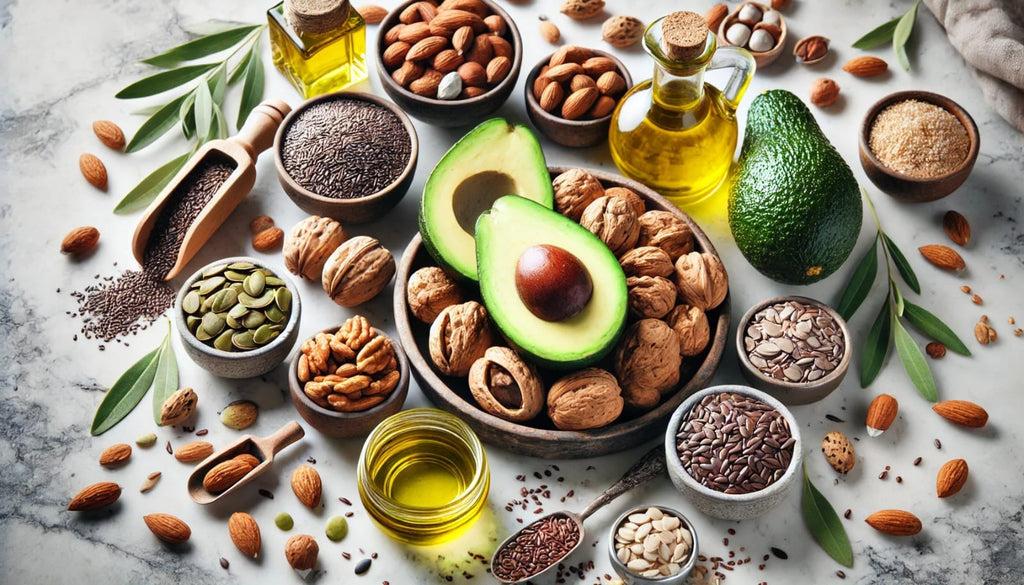
Best Foods for Healthy Fats
You do not need expensive foods to include healthy fats.
Avocado
Avocado provides mostly unsaturated fat and can be added to toast, salads, sandwiches, or bowls.
Nuts
Almonds, walnuts, peanuts, and other nuts provide fat along with protein, fiber, and other nutrients.
Seeds
Chia seeds, flaxseeds, pumpkin seeds, and sunflower seeds can be added to yogurt, oatmeal, smoothies, and salads.
Olive Oil
Olive oil is a source of monounsaturated fat and can be used in cooking or salad dressings.
Fatty Fish
Salmon, sardines, and mackerel provide omega-3 fats along with protein.
How Much Fat Should You Eat?
There is no single amount of fat that is right for everyone.
Your nutrition needs can depend on:
- Age
- Body size
- Activity level
- Total calorie needs
- Overall diet
- Individual health needs
Instead of removing fat completely, focus on the quality of your food choices.
For example, you could choose:
Olive oil instead of large amounts of butter
Nuts instead of highly processed snacks
Avocado instead of heavily processed spreads
Fish instead of some higher-fat processed meats
These are simple swaps that can help improve the overall quality of your diet.
Healthy Fats and Fitness Nutrition
Healthy fats are also useful for people who exercise.
However, a good sports nutrition plan needs more than fat.
It should also include:
- Protein
- Carbohydrates
- Vitamins
- Minerals
- Fiber
- Fluids
For example, a balanced meal could include grilled salmon, brown rice, vegetables, and avocado.
A person who exercises regularly may have different nutrition needs depending on their training and goals.
The best approach is to build an overall balanced diet rather than focusing on one nutrient.
Can Healthy Fats Help With Weight Management?
Healthy fats are nutritious, but they are also energy-dense.
This means a small amount can provide a significant amount of energy.
Foods such as nuts, seeds, avocado, and oils can be part of a healthy diet, but portion size still matters.
Eating healthy fats does not automatically cause weight loss.
Weight management depends on many factors, including total food intake, activity, sleep, and lifestyle.
Be careful of products or diets that promise that simply eating one type of fat will guarantee weight loss.
Do You Need Omega-3 Supplements?
Not everyone needs an omega-3 supplement.
Many people can get omega-3 fats from foods such as fatty fish, walnuts, chia seeds, and flaxseeds.
Some people may choose an omega-3 supplement based on their diet or individual nutritional needs.
If you are considering an omega-3 supplement, check the label carefully and consider the amount and type of omega-3 provided.
If you take medication, have a medical condition, are pregnant or breastfeeding, or are unsure whether a supplement is suitable for you, speak with a qualified healthcare professional.
Common Mistakes About Healthy Fats
Avoiding all fats
Your body needs fat as part of a balanced diet.
Eating too many healthy fats
Healthy does not mean unlimited. Nuts, oils, and avocado can still add significant energy to your diet.
Focusing only on one food
No single food provides everything your body needs.
Choosing supplements instead of food
Supplements can be useful in certain situations, but they should not replace a varied diet.
Believing every “low-fat” product is healthier
Low-fat does not automatically mean nutritious. Look at the complete nutrition information and ingredients.
Simple Ways to Add Healthy Fats to Your Diet
Try these easy ideas:
- Add avocado to breakfast.
- Sprinkle nuts over yogurt or oatmeal.
- Add chia or flaxseeds to smoothies.
- Use olive oil in salads.
- Include fatty fish in your meals.
- Choose nuts as a snack.
- Add seeds to salads or meals.
- Use a variety of nutritious foods throughout the week.
You do not need to make big changes.
Small, consistent choices can make your overall diet more balanced.
FAQs About Healthy Fats
What are healthy fats?
Healthy fats usually refer to unsaturated fats, including monounsaturated and polyunsaturated fats. They are found in foods such as nuts, seeds, avocado, olive oil, and certain fish.
Is fat good for you?
Fat is an important macronutrient. Your body needs it for energy and other normal functions. The type and amount of fat in your diet matter.
What foods are high in healthy fats?
Avocado, nuts, seeds, olive oil, and fatty fish are common sources of healthy fats.
Is avocado a healthy fat?
Avocado is a nutritious food that provides mostly unsaturated fat along with fiber and other nutrients.
Are nuts good sources of fat?
Yes. Nuts provide unsaturated fats along with protein, fiber, vitamins, minerals, and other nutrients.
Is omega-3 a healthy fat?
Omega-3 fatty acids are a type of polyunsaturated fat. They can be found in foods such as fatty fish, walnuts, chia seeds, and flaxseeds.
Do I need an omega-3 supplement?
Not necessarily. Some people can get omega-3 fats from food. Whether a supplement is useful depends on individual dietary and health needs.
Can I eat fat while trying to manage my weight?
Yes. Healthy fats can be part of a balanced diet. Because fat is energy-dense, appropriate portions are important.
Conclusion
Healthy fats are an important part of good nutrition.
Instead of avoiding all fats, focus on choosing nutritious sources more often. Foods such as avocado, nuts, seeds, olive oil, and fatty fish can provide healthy fats along with other useful nutrients.
Remember that no single nutrient makes a diet healthy or unhealthy. A balanced diet includes a variety of foods, including protein, carbohydrates, healthy fats, fruits, vegetables, vitamins, minerals, and enough fluids.
At wellnesscarts.com, we believe good nutrition starts with understanding what your body needs. Our goal is to make nutrition, protein, vitamins, and dietary supplements simple and easy to understand.
Nutrition first. Better choices. Everyday wellness.
