
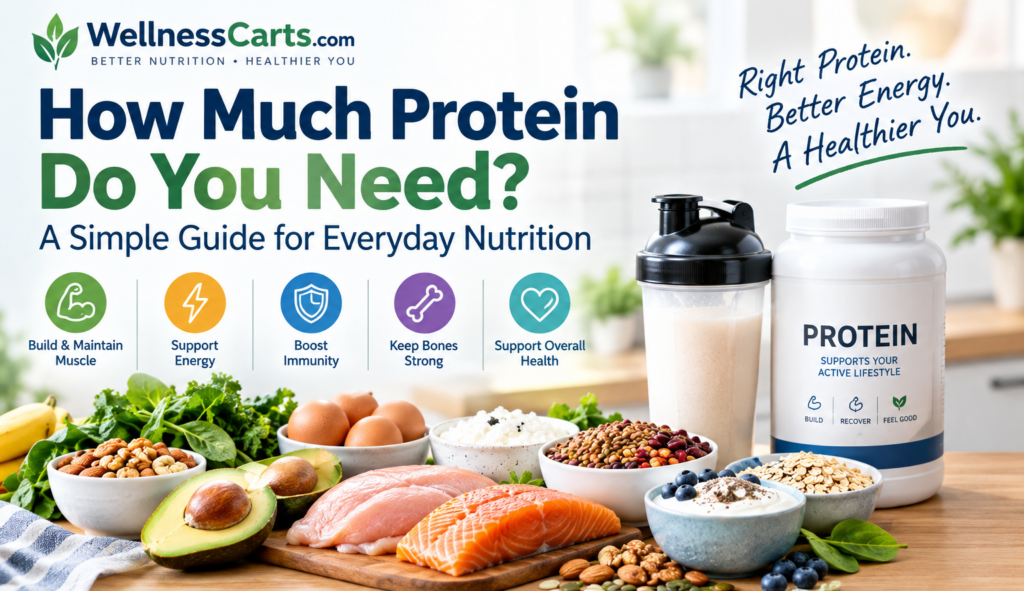
Protein is one of the most talked-about nutrients in nutrition and fitness.
You may see people adding protein powder to smoothies, eating eggs for breakfast, or choosing high-protein foods after a workout. But how much protein do you actually need?
The answer is different for everyone.
Your protein needs can depend on factors such as your age, body size, activity level, and overall diet. Someone who exercises regularly may have different needs from someone with a less active lifestyle.
The good news is that getting protein does not have to be complicated.
In this guide, we will explain why protein matters, where to get it, and how protein supplements can fit into a healthy diet.
What Is Protein?
Protein is one of the three main macronutrients, along with carbohydrates and fats.
Your body uses protein to build and maintain tissues. It also supports many normal processes in the body.
Protein is made from smaller units called amino acids.
You can get protein from both animal and plant foods.
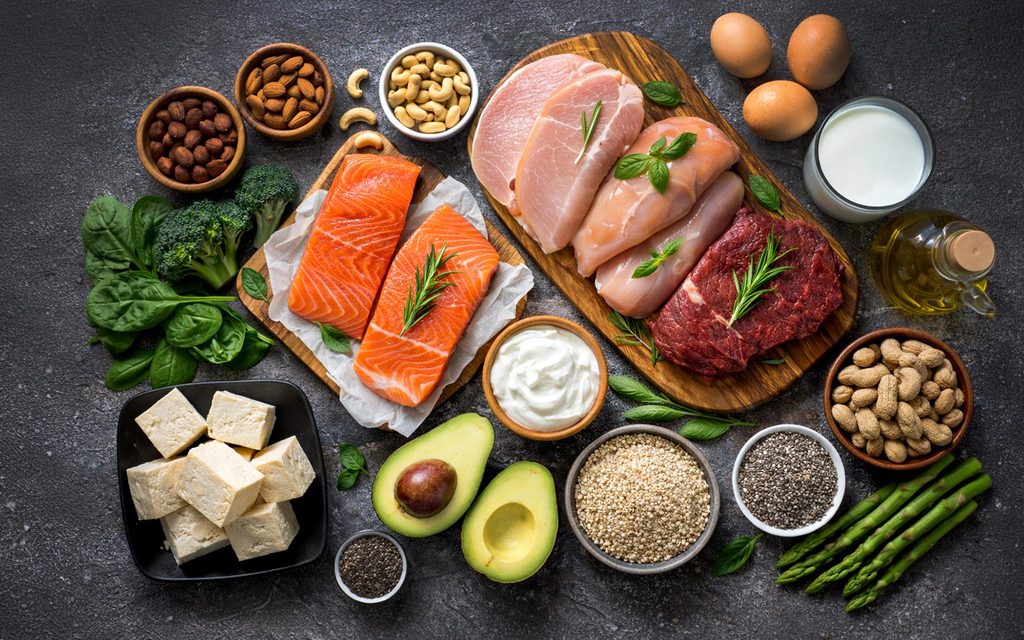
Common sources include:
- Eggs
- Milk
- Yogurt
- Chicken
- Fish
- Meat
- Beans
- Lentils
- Tofu
- Nuts
- Seeds
Protein supplements can also provide protein in a convenient form.
Why Is Protein Important?
Protein has several important roles in normal body function.
It helps your body:
- Build and maintain tissues
- Support normal muscle function
- Maintain body structures
- Support many normal body processes
Protein is especially important for people who are physically active because exercise places demands on the body.
However, protein is not only for athletes.
Everyone needs protein as part of a balanced diet.
How Much Protein Do You Need?
There is no single protein amount that is right for every person.
Protein needs can vary based on:
- Age
- Body size
- Activity level
- Exercise routine
- Overall diet
- Individual health needs
For healthy adults, a commonly used general reference is around 0.8 grams of protein per kilogram of body weight per day. This is a general baseline, not a personal recommendation.
People who exercise regularly may need more protein than this baseline, depending on their training and overall goals.
For example, strength training, endurance exercise, and other forms of physical activity can affect nutrition needs.
If you want a protein target based on your individual situation, a qualified dietitian or healthcare professional can help.
Protein Needs for Active People
If you exercise regularly, protein can be an important part of your nutrition plan.
Resistance training, running, cycling, sports, and other activities can increase your overall nutrition needs.
Instead of focusing only on one meal, think about your protein intake across the whole day.
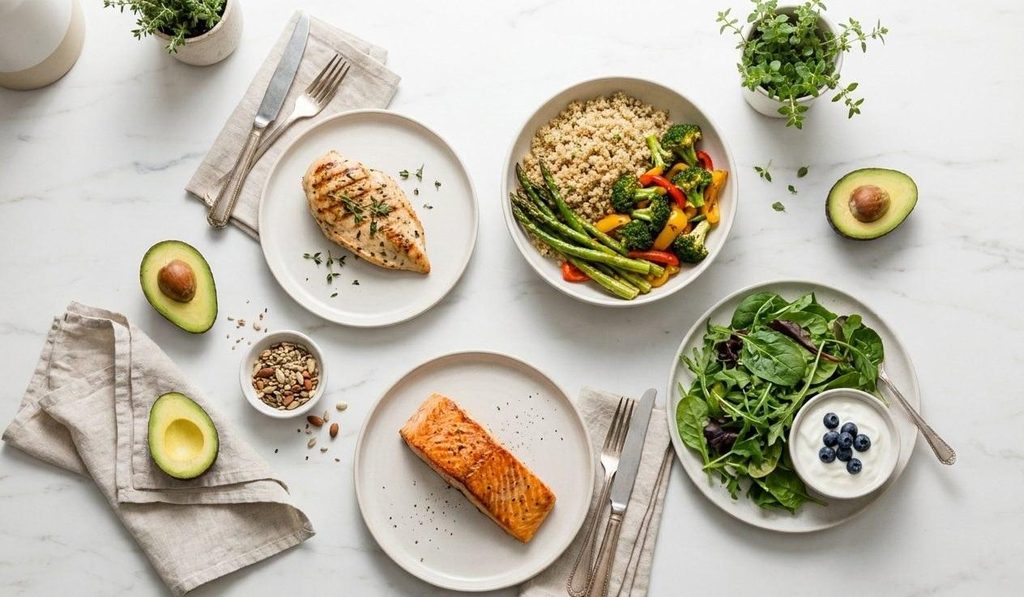
For example, you could include protein at:
Breakfast: Eggs and yogurt
Lunch: Chicken, fish, beans, or lentils
Snack: Yogurt, milk, nuts, or a protein shake
Dinner: Fish, chicken, tofu, beans, or another protein source
Spreading protein across meals can be a simple way to include it regularly.

Best Sources of Protein
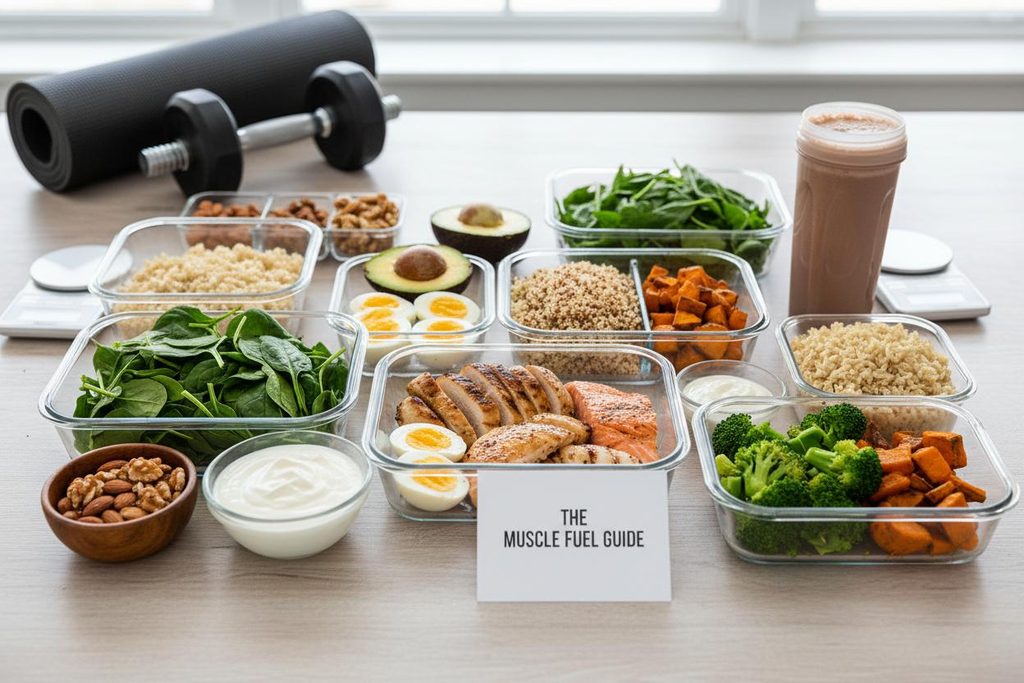
There are many ways to get protein.
Animal-Based Protein
Common animal-based sources include:
- Eggs
- Chicken
- Fish
- Lean meat
- Milk
- Yogurt
- Cottage cheese
These foods can provide protein along with other nutrients.
Plant-Based Protein
Plant foods can also provide protein.
Good options include:
- Lentils
- Beans
- Chickpeas
- Tofu
- Tempeh
- Peas
- Nuts
- Seeds
Eating a variety of foods can help you get different nutrients throughout the day.
Protein Supplements
Protein powders can be made from different sources.
Common options include:
- Whey protein
- Casein protein
- Soy protein
- Pea protein
- Rice protein
- Other plant proteins
Different protein powders can have different ingredients, flavors, textures, and nutritional profiles.
Do You Need Protein Powder?
Not necessarily.
Many people can get enough protein from regular foods.
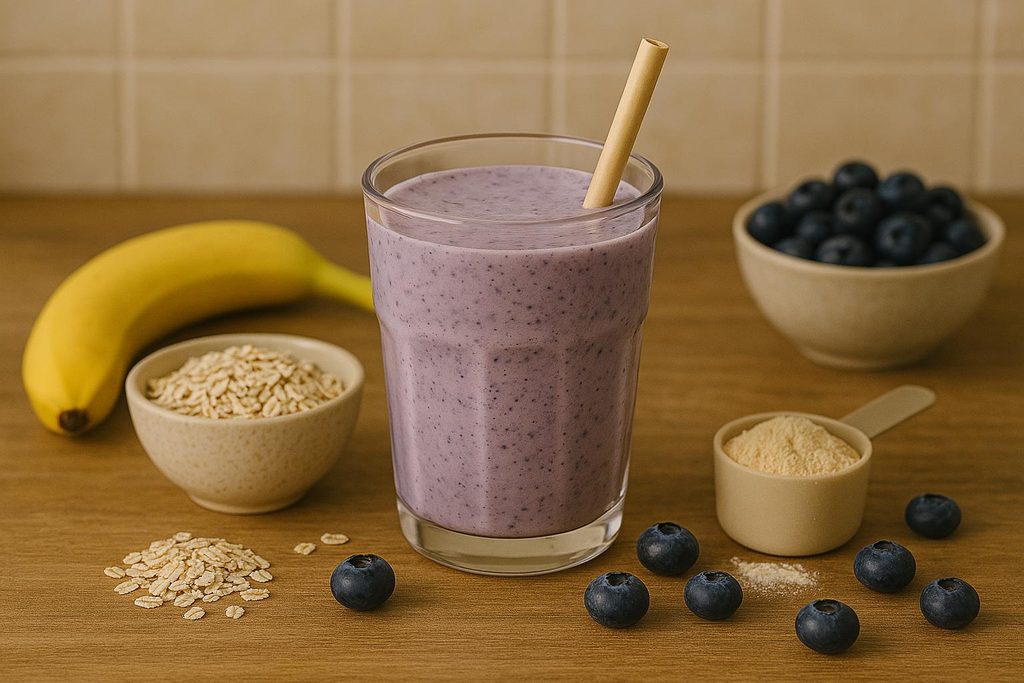
However, protein powder can be a convenient option when getting enough protein from meals is difficult.
For example, you may find a protein shake useful:
- After exercise
- As part of breakfast
- As a convenient snack
- When you have limited time to prepare food
- When you need an easy source of protein
A protein supplement should complement your diet rather than replace nutritious meals.

How to Choose a Protein Powder
If you decide to use protein powder, take some time to compare products.
1. Check Protein Per Serving
Look at how much protein the product provides in one serving.
Do not forget to check the serving size.
2. Read the Ingredient List
Check what ingredients are included.
Depending on the product, you may find flavors, sweeteners, thickeners, or other ingredients.
3. Check Added Sugar
Some protein powders contain added sugar.
If you want to limit added sugar, compare the nutrition information between products.
4. Check Allergens
Whey and casein are milk-based proteins.
Some products may also contain soy or other common allergens.
Always check the label if you have an allergy or food sensitivity.
5. Consider Your Dietary Preferences
If you follow a vegetarian or vegan diet, look for a protein source that fits your eating pattern.
Plant-based protein powders may use ingredients such as pea, soy, rice, or other plant proteins.
6. Look at the Overall Product
Consider the protein amount, ingredients, serving size, allergen information, manufacturer details, and product directions.
Do not choose a product only because it has attractive packaging or is popular online.
Can You Get Too Much Protein?
Protein is an important nutrient, but more is not automatically better.
Your total protein intake should fit your individual needs.
Eating large amounts of protein while ignoring other foods can also make your diet less balanced.
A healthy eating pattern should include a variety of foods and nutrients.
If you have a kidney condition or another medical condition that affects your diet, speak with a qualified healthcare professional before making major changes to your protein intake.
Protein and Weight Management
Protein is often discussed in relation to weight management.
Protein-rich foods can be part of a balanced eating pattern, but protein alone does not guarantee weight loss or a particular body composition.
Healthy weight management involves many factors, including overall food intake, physical activity, sleep, and lifestyle habits.
Be careful with products that promise rapid or guaranteed weight loss simply because they contain protein.
Protein Before or After Exercise?
Many people wonder whether protein should be taken before or after a workout.
The bigger picture is your overall nutrition.
Having enough protein throughout the day is generally more important than focusing on one exact minute to consume it.
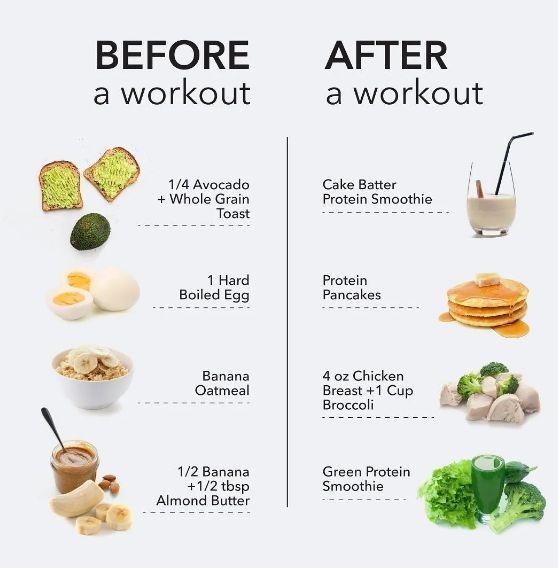
A protein-containing meal or snack can be convenient around exercise.
For example:
Before exercise: Yogurt with fruit or oats with milk
After exercise: Eggs with toast, chicken with rice, or a protein shake with fruit
Choose foods that fit your routine and digestion.

Common Protein Mistakes
Eating protein only at dinner
Try including protein across different meals and snacks.
Thinking protein powder is necessary
Protein powder is convenient, but it is not required for everyone.
Choosing a product only because it is popular
Social media popularity does not mean a product is right for you.
Ignoring the rest of your diet
Protein is only one part of nutrition. Your body also needs carbohydrates, fats, vitamins, minerals, fiber, and fluids.
Taking more because you think it will work faster
More protein does not automatically mean better results.
Forgetting about food quality
Choose a variety of nutritious protein sources instead of relying on one product.
Simple Ways to Add More Protein to Your Diet
If you want to include more protein, try these simple ideas:
- Add eggs to breakfast.
- Choose yogurt as a snack.
- Add beans or lentils to meals.
- Include fish or chicken with lunch or dinner.
- Add nuts or seeds to oatmeal.
- Choose tofu or other plant proteins.
- Use milk or a suitable alternative in smoothies.
- Consider a protein shake when convenience is important.
Small changes can make it easier to include protein regularly.
FAQs About Protein
How much protein do I need each day?
Protein needs vary from person to person. A commonly used baseline for healthy adults is around 0.8 grams per kilogram of body weight per day, but active people may have different needs.
Is protein powder necessary?
No. Many people can get enough protein from food. Protein powder can be a convenient option when it helps meet individual nutrition needs.
Is protein good for people who exercise?
Yes. Protein is an important nutrient for everyone, including people who exercise. It helps support normal muscle maintenance and many other body functions.
What are the best high-protein foods?
Eggs, dairy foods, fish, chicken, lean meats, beans, lentils, tofu, nuts, and seeds are all useful protein sources.
Can I get enough protein from a vegetarian diet?
Yes. Foods such as beans, lentils, tofu, peas, dairy foods, eggs, nuts, and seeds can provide protein.
When should I drink a protein shake?
There is no single required time. A protein shake can be used around exercise or whenever it is convenient as part of your overall diet.
Can I have protein powder every day?
It can fit into a daily diet for some people, provided it is used as directed and fits your overall nutrition needs.
Is more protein always better?
No. Protein needs vary, and consuming more than you need does not automatically provide better results.
Conclusion
Protein is an important part of a healthy and balanced diet.
Your body needs protein to support normal tissues, muscles, and many other functions. You can get protein from foods such as eggs, dairy, fish, chicken, beans, lentils, tofu, nuts, and seeds.
Protein supplements can also be useful when you want a convenient way to add protein to your diet. But they are not required for everyone and should not replace a varied diet.
The best approach is to understand your individual needs, choose a variety of nutritious foods, and use supplements thoughtfully.
At wellnesscarts.com, we make nutrition and protein supplement information simple and easy to understand, so you can make better choices for your everyday wellness.
Nutrition first. Better choices. Everyday wellness.
