
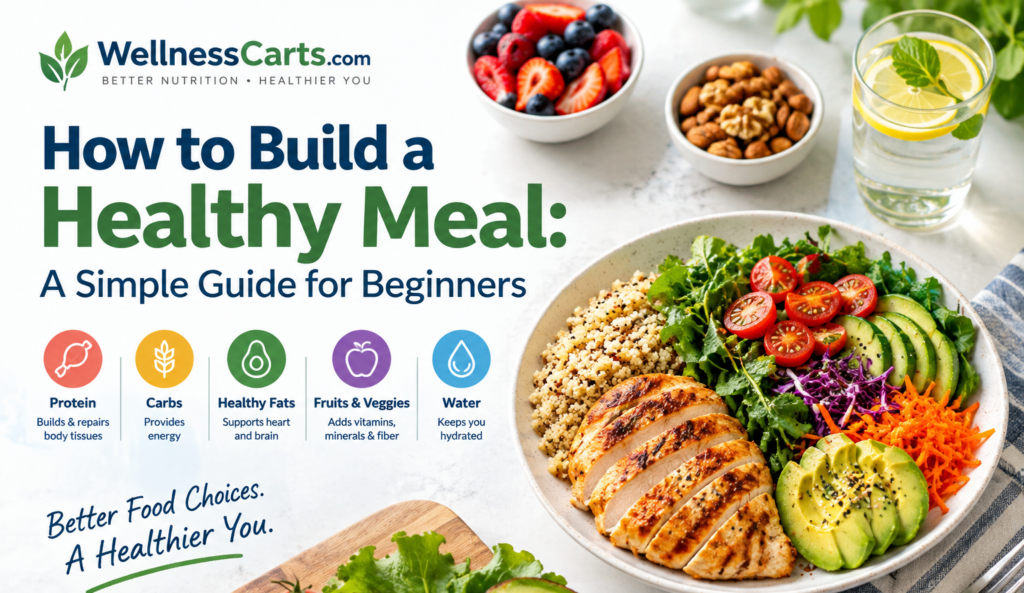
How to Build a Healthy Meal: A Simple Guide for Beginners
Do you ever look at your plate and wonder, “Is this a healthy meal?”
Healthy eating does not have to be complicated. You do not need to count every calorie or remove your favorite foods.
A good place to start is learning how to build a balanced meal.
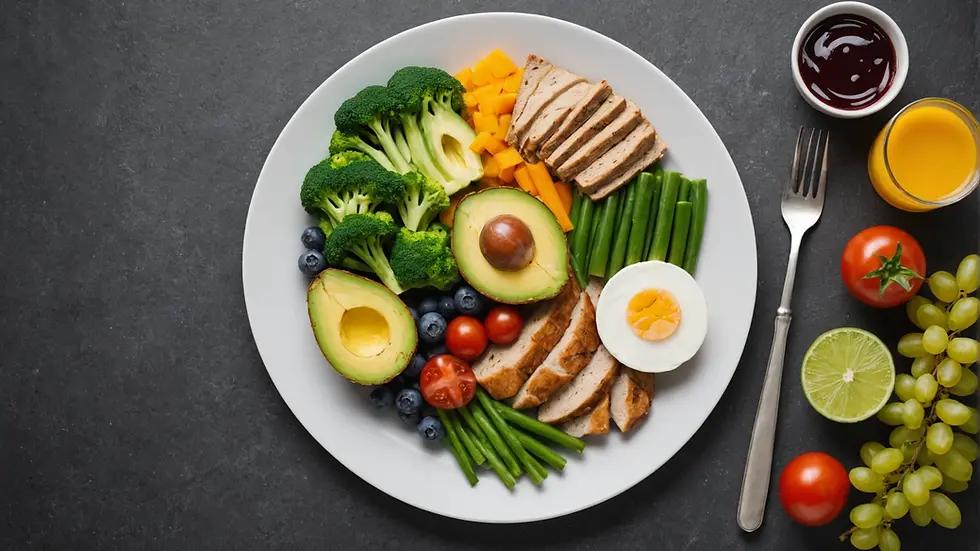
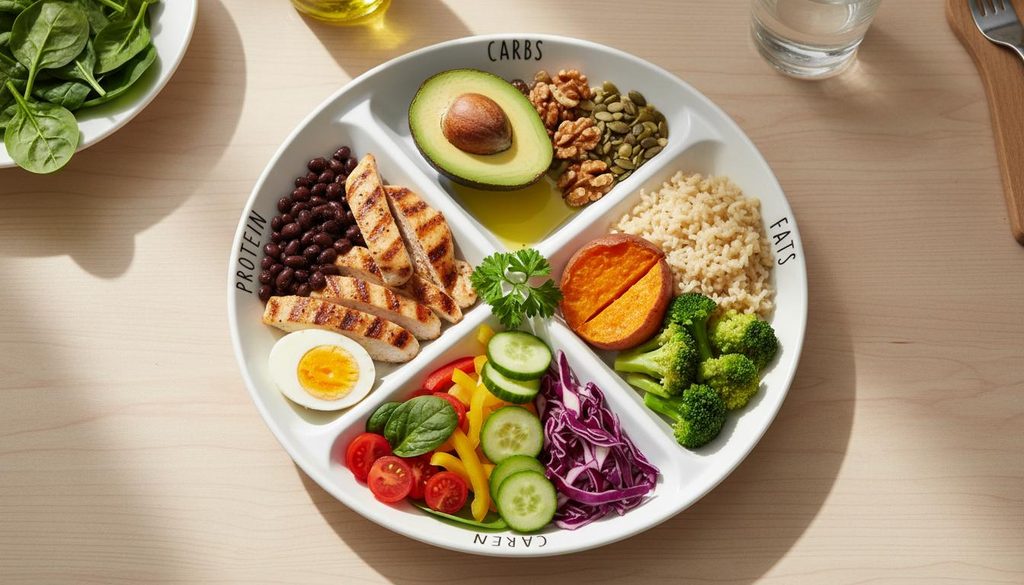
A balanced meal can include protein, carbohydrates, healthy fats, vegetables or fruit, and enough fluids. The exact foods and portions can change based on your needs, lifestyle, and preferences.
In this guide, we will show you how to build a healthy meal using simple foods you can enjoy every day.
What Makes a Meal Healthy?
A healthy meal is more than one food.
Different foods provide different nutrients. Combining a variety of foods can help you get a wider range of nutrients.
A balanced meal can include:
- A protein source
- A carbohydrate source
- Vegetables or fruit
- A source of healthy fat
- Water or another suitable drink
You do not need to make every meal perfect.
Instead, focus on your overall eating pattern and try to include a variety of nutritious foods throughout the day.
1. Start With Protein
Protein is an important part of a balanced meal.
Your body uses protein to build and maintain tissues and support many normal body functions.
Good Protein Sources
You can choose from many options:
- Eggs
- Chicken
- Fish
- Lean
- meat
- Milk
- Yogurt
- Cottage cheese
- Beans
- Lentils
- Tofu
- Nuts and seeds
Protein supplements can also be convenient for some people, especially when it is difficult to get enough protein from regular foods.
For example, a protein shake can be used as part of a snack or meal when it fits your nutrition needs.
However, protein powder does not need to replace whole-food protein sources.
2. Add a Good Source of Carbohydrates
Carbohydrates are an important source of energy.
You can find carbohydrates in many foods, including:
- Rice
- Oats
- Potatoes
- Whole-grain bread
- Whole-grain pasta
- Fruits
- Beans
- Lentils
- Vegetables
When possible, choose nutrient-rich carbohydrate sources such as whole grains, beans, fruits, and vegetables.
For example, instead of building a meal around only a large portion of refined carbohydrates, you can combine whole grains with protein and vegetables.
This creates a more varied meal.
3. Include Vegetables or Fruit
Vegetables and fruits provide vitamins, minerals, fiber, and other nutrients.
Try to include different types and colors throughout the week.
Some simple choices include:
Vegetables
- Spinach
- Broccoli
- Carrots
- Tomatoes
- Bell peppers
- Cucumber
- Cauliflower
- Green beans
Fruits
- Apples
- Bananas
- Oranges
- Berries
- Mango
- Kiwi
- Guava
You do not need to eat the same vegetables every day.
Eating a variety of foods is a simple way to add different nutrients to your diet.
4. Add Healthy Sources of Fat
Fat is also an important part of a balanced diet.
It provides energy and helps the body absorb certain vitamins.
Nutritious sources of fat include:
- Avocado
- Almonds
- Walnuts
- Peanuts
- Seeds
- Olive oil
- Fatty
- fish
- Nut butters
You do not need to remove fat from your meals.
Instead, focus on including suitable sources and reasonable portions.
For example, you could add a small amount of olive oil to vegetables or include some nuts with breakfast.
5. Do Not Forget Fluids
Water is important for everyday health.
Make water your main drink when possible.
Your fluid needs can vary based on factors such as activity, weather, and individual needs.
You can also get some water from foods such as fruits and vegetables.
If you exercise or spend time in hot weather, paying attention to your fluid intake becomes especially important.
Easy Healthy Meal Examples
You do not need expensive or complicated ingredients to make a balanced meal.
Breakfast
Option 1:
- Oatmeal
- Milk or suitable alternative
- Banana
- Nuts or seeds
- Eggs
Option 2:
- Greek yogurt
- Berries
- Oats
- Nuts or seeds
Lunch
Option 1:
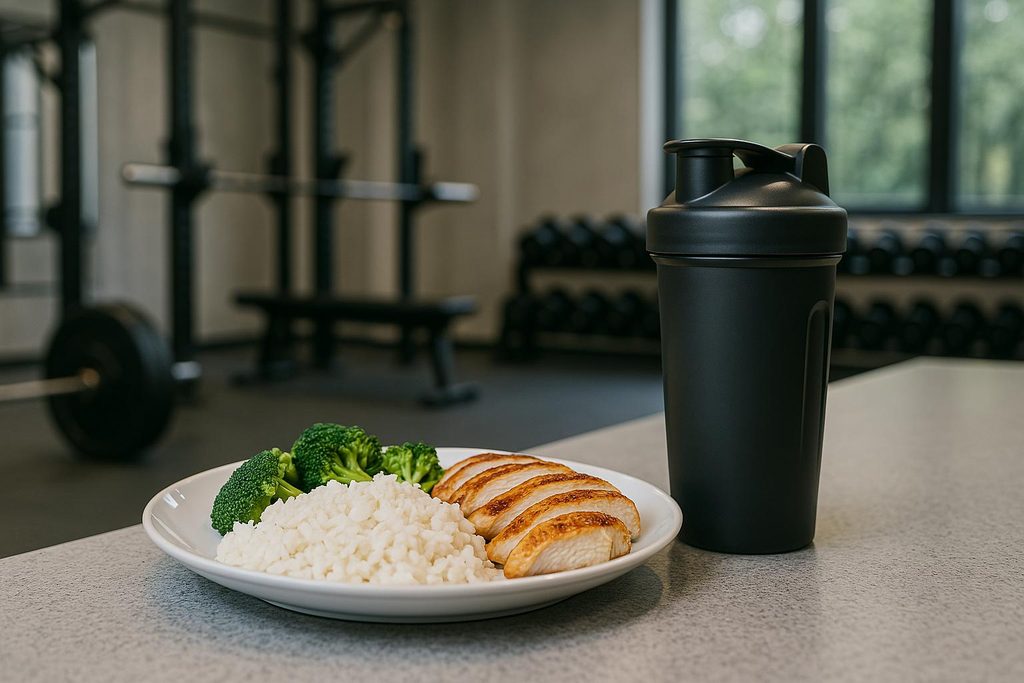
- Grilled chicken
- Brown rice
- Mixed vegetables
- Avocado
Option 2:
- Lentils
- Whole-grain roti
- Mixed vegetables
- Yogurt
Dinner
Option 1:
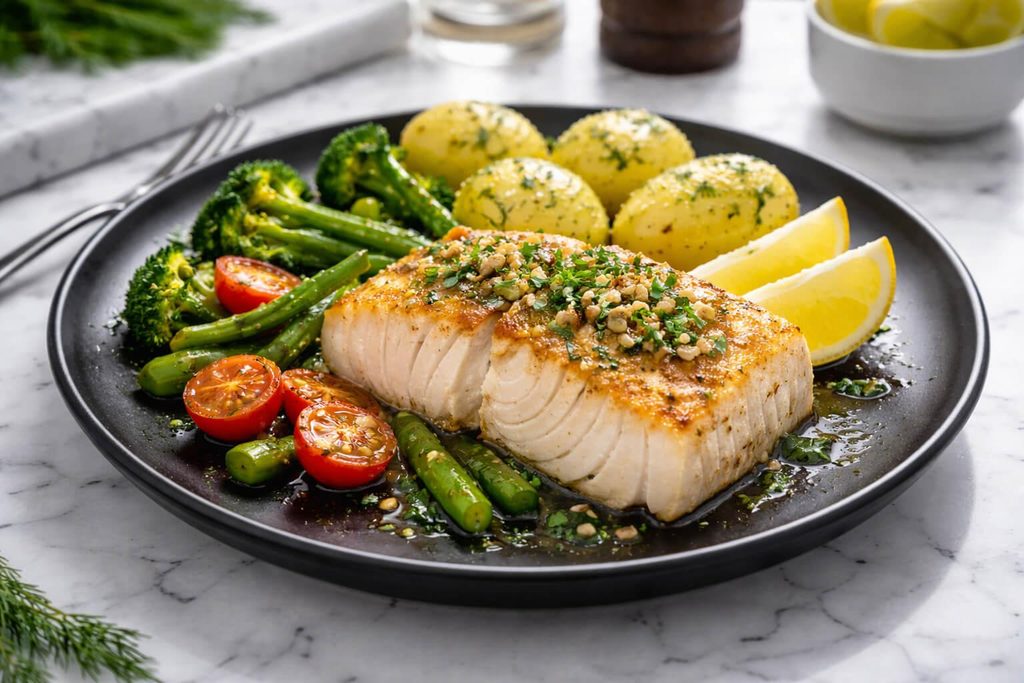
- Grilled fish
- Potatoes
- Green vegetables
- Olive oil-based dressing
Option 2:
- Tofu or beans
- Rice
- Mixed vegetables
- A small serving of nuts or seeds
The goal is not to copy these meals exactly. Use them as simple ideas and adjust them to your food preferences.
How Much Food Should You Put on Your Plate?
There is no single portion size that works for everyone.
Your food needs can depend on factors such as:
- Age
- Body size
- Activity level
- Lifestyle
- Personal nutrition goals
- Individual health needs
Instead of focusing only on numbers, pay attention to the overall balance of your meal.
A simple approach is to make vegetables or fruit a regular part of your meals, include a protein source, add a suitable carbohydrate source, and include a source of healthy fat.
You can adjust the amounts based on your hunger and individual needs.
Healthy Meals for Active People
If you exercise regularly, your food choices can help you meet your energy and protein needs.
A meal before exercise might include carbohydrates and some protein.
For example:
- Oats with yogurt and fruit
- Rice with eggs and vegetables
- Whole-grain toast with eggs and fruit
After exercise, a meal or snack containing protein and carbohydrates can be a convenient choice.
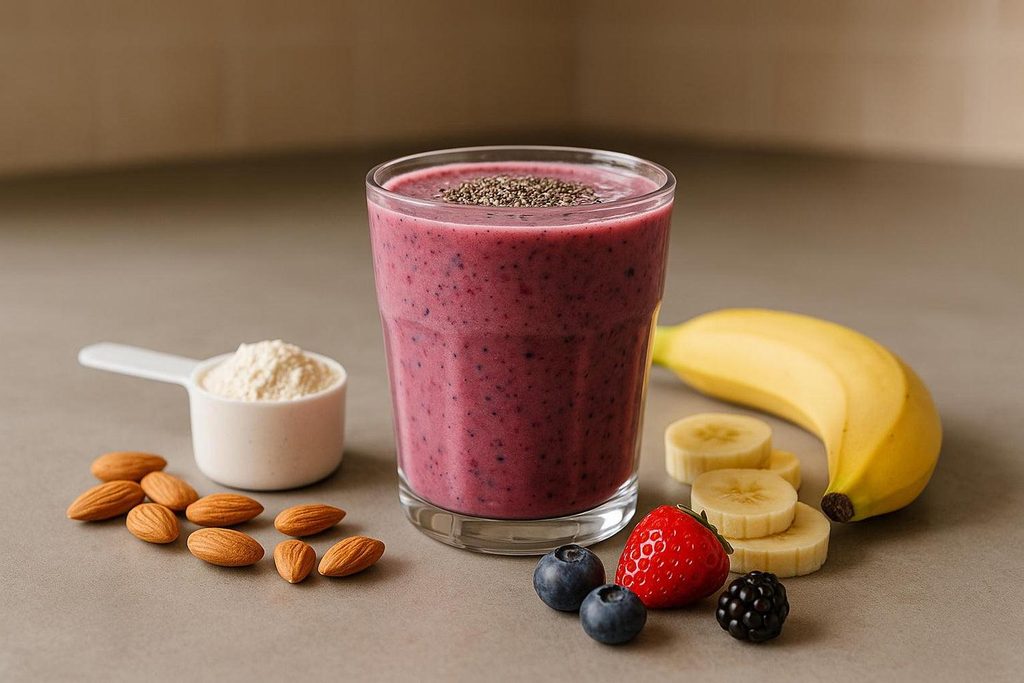
A protein shake can also be useful for some people when they need a convenient protein source.
Remember that sports supplements are not a replacement for a balanced diet.
Can Supplements Be Part of a Healthy Diet?
Yes, supplements can be part of an overall nutrition plan for some people.
Examples include:
- Protein powder
- Multivitamins
- Vitamin D
- Minerals
- Omega-3 supplements
- Probiotics
But supplements should not be used as a substitute for nutritious food.
For example, taking a multivitamin does not replace eating vegetables, fruits, whole grains, and protein-rich foods.
If you are considering a supplement, look at the ingredients, serving size, product quality, and your own nutrition needs.
If you take medication, have a medical condition, are pregnant or breastfeeding, or are unsure whether a supplement is suitable for you, speak with a qualified healthcare professional.
Common Healthy Eating Mistakes
Skipping protein
Some meals may contain mostly carbohydrates without a good protein source.
Try adding eggs, yogurt, beans, fish, chicken, tofu, or another protein food.
Avoiding all carbohydrates
Carbohydrates can be part of a balanced diet. Choose nutritious sources and appropriate portions.
Removing all fats
Your body needs fat. Include nutritious sources such as nuts, seeds, avocado, olive oil, and fish.
Eating the same foods every day
Variety matters. Try different vegetables, fruits, grains, and protein sources.
Depending too much on supplements
Supplements can be useful in certain situations, but they should complement a healthy diet.
Trying to eat perfectly
Healthy eating is not about perfection.
A balanced eating pattern over time is more important than making every single meal perfect.
Simple Tips for Building Better Meals
Try these easy habits:
1. Add protein to your main meals.
2. Include vegetables or fruit.
3. Choose nutrient-rich carbohydrate sources.
4. Include suitable sources of healthy fat.
5. Drink enough water.
6. Eat a variety of foods throughout the week.
7. Keep highly processed foods and added sugars in moderation.
8. Choose portions that fit your individual needs.
9. Use supplements only when they make sense for your nutrition needs.
Small habits can be easier to maintain than major changes.
FAQs About Healthy Meals
What should a healthy meal include?
A balanced meal can include protein, carbohydrates, vegetables or fruit, healthy fats, and a suitable drink such as water.
Is rice healthy?
Rice can be part of a balanced diet. Brown rice and other whole grains provide more fiber, but white rice can also fit into a varied eating pattern.
Should I eat protein with every meal?
Including a protein source in your main meals can be a simple way to support a balanced diet. Your total protein needs depend on your individual situation.
Can I eat carbohydrates and still have a healthy diet?
Yes. Carbohydrates are an important source of energy. Choose a variety of nutrient-rich carbohydrate foods such as whole grains, fruits, vegetables, beans, and lentils.
Are healthy fats necessary?
Yes. Fat is an important nutrient. Foods such as nuts, seeds, avocado, olive oil, and fish can provide useful sources of fat.
Is a protein shake a healthy meal?
A protein shake can be a convenient source of protein, but a shake alone may not provide all the nutrients found in a balanced meal. It can be used as part of an overall eating plan.
Do I need supplements to eat healthy?
Not necessarily. Many people can get a wide range of nutrients from a varied diet. Supplements may be useful in certain situations.
How can I start eating healthier?
Start with small changes. Add more variety to your meals, include protein and vegetables, choose nutritious carbohydrate sources, and drink enough water.
Conclusion
Learning how to build a healthy meal does not need to be difficult.
Start with a protein source, add a nutritious carbohydrate, include vegetables or fruit, and choose a suitable source of healthy fat. Remember to drink enough water and enjoy a variety of foods.
You do not need a perfect diet. Focus on simple choices that you can follow consistently.
At wellnesscarts.com, we believe better nutrition starts with better understanding. Whether you are learning about healthy eating, protein supplements, vitamins, or dietary supplements, our goal is to make nutrition easier to understand.
Nutrition first. Better choices. Everyday wellness.
