
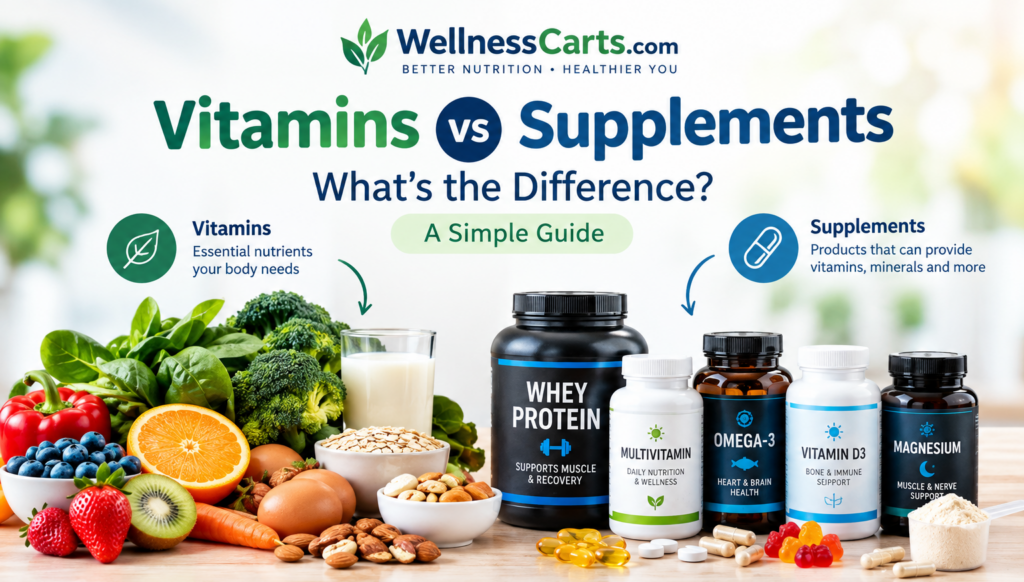
Vitamins vs Supplements: What’s the Difference? A Simple Guide
Have you ever wondered if vitamins and supplements are the same thing?
You are not alone. Many people use these words together, but they do not mean exactly the same thing.
Vitamins are a type of nutrient. Dietary supplements are products designed to add nutrients or other dietary ingredients to your diet. Vitamins can be included in dietary supplements, but supplements can also contain minerals, protein, probiotics, omega-3s, amino acids, and other ingredients.
Understanding this difference can help you make better choices when shopping for nutrition and supplement products.
In this guide, we will explain vitamins and supplements in simple terms and show you what to consider before choosing one.
What Are Vitamins?
Vitamins are nutrients that your body needs for normal functions.
There are many different vitamins, and each has its own role.
Some common vitamins include:
- Vitamin A
- Vitamin B vitamins
- Vitamin C
- Vitamin D
- Vitamin E
- Vitamin K
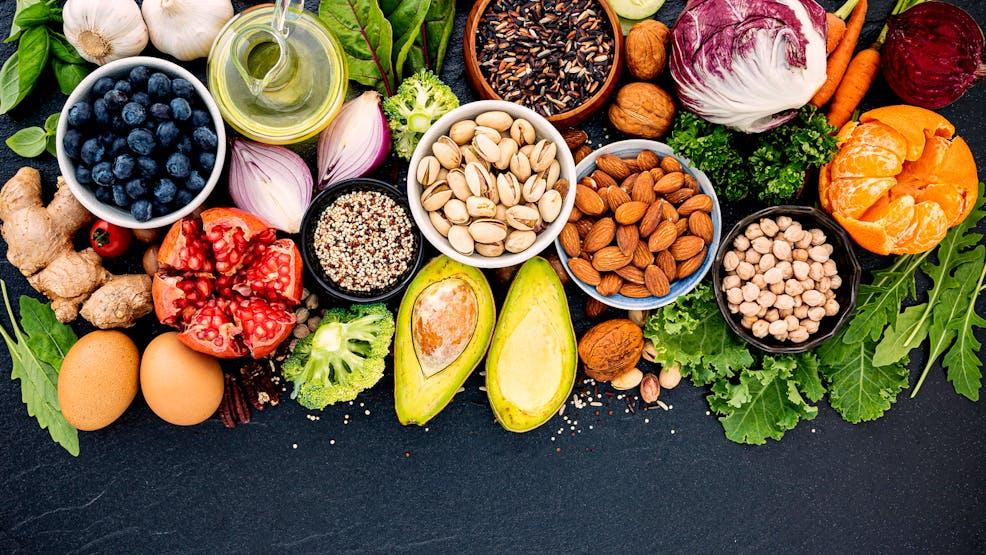
You can get vitamins from many foods, including fruits, vegetables, eggs, dairy foods, whole grains, nuts, seeds, and other nutrient-rich foods.
Some vitamins are also available in supplement form.
For example, vitamin C tablets and vitamin D capsules are dietary supplements that provide specific vitamins.
What Are Dietary Supplements?
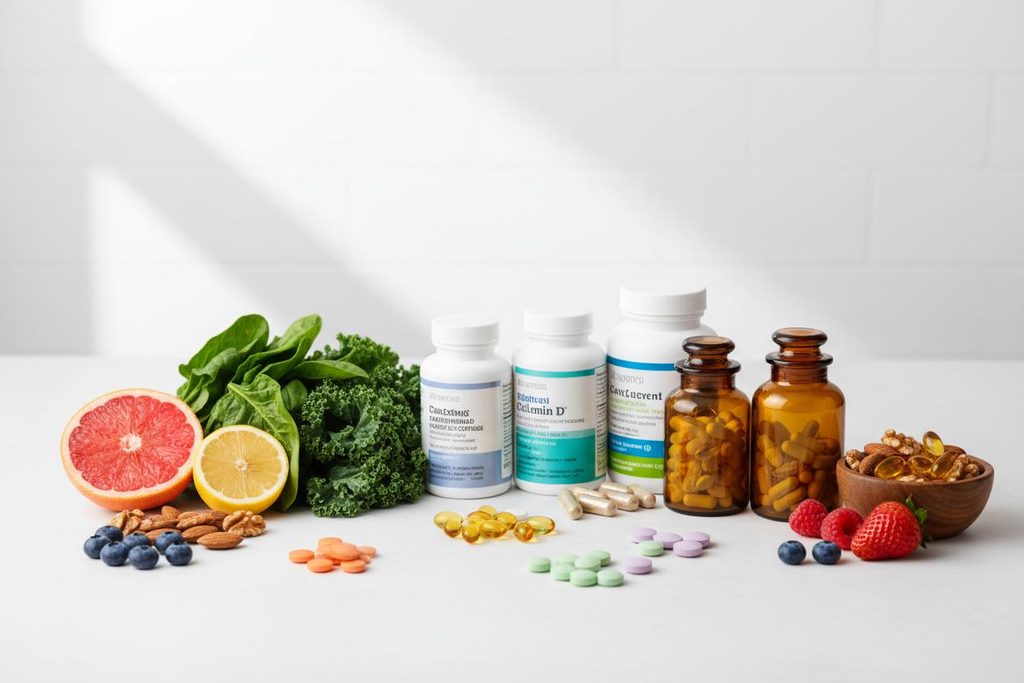
Dietary supplements are products designed to add nutrients or other dietary ingredients to your diet.
They can come in different forms, such as:
- Tablets
- Capsules
- Powders
- Softgels
- Gummies
- Liquid products
- Protein shakes
A dietary supplement may contain one ingredient or several ingredients.
Examples include:
- Multivitamins
- Mineral supplements
- Protein powders
- Omega-3 products
- Probiotics
- Amino acid supplements
This means vitamins are one type of ingredient that can be found in dietary supplements.
Vitamins vs Supplements: The Simple Difference
The easiest way to understand the difference is this:
A vitamin is a nutrient.
A dietary supplement is a product that can provide vitamins, minerals, or other dietary ingredients.
For example:
Vitamin D → a nutrient
Vitamin D tablet → a dietary supplement containing vitamin D
Protein powder → a dietary supplement, but it is not a vitamin
Omega-3 supplement → a dietary supplement containing omega-3 fatty acids
So, not every supplement is a vitamin.
Why Does Your Body Need Vitamins?
Vitamins help support many normal processes in the body.
Different vitamins have different roles.
For example:
Vitamin C
Vitamin C supports normal immune function and helps protect cells from oxidative stress.
Food sources include oranges, guava, strawberries, tomatoes, and bell peppers.
Vitamin D
Vitamin D helps support normal bones and muscles and helps the body absorb calcium.
Sources include certain foods, fortified foods, and sunlight exposure.
B Vitamins
B vitamins include several different vitamins that help support normal energy metabolism and other body functions.
Sources include whole grains, eggs, dairy foods, meat, fish, beans, and green vegetables.
Vitamin A
Vitamin A supports normal vision and immune function.
It can be found in foods such as carrots, sweet potatoes, spinach, eggs, and dairy foods.
The important point is that each vitamin has a different job. Your body does not simply need “more vitamins.” It needs appropriate amounts of different nutrients.
Why Do People Use Dietary Supplements?
People use dietary supplements for many different reasons.
Some may use them to:
- Add nutrients to their diet
- Meet specific nutritional needs
- Add protein to meals or snacks
- Support an active lifestyle
- Address a confirmed nutrient deficiency when advised by a professional
- Make certain nutrients more convenient to consume
For example, someone who struggles to get enough protein from food may find a protein powder convenient.
Someone with a confirmed nutrient deficiency may be advised to use a specific vitamin or mineral supplement.
However, supplements are not necessary for everyone.
Can You Get Vitamins From Food?
Yes.
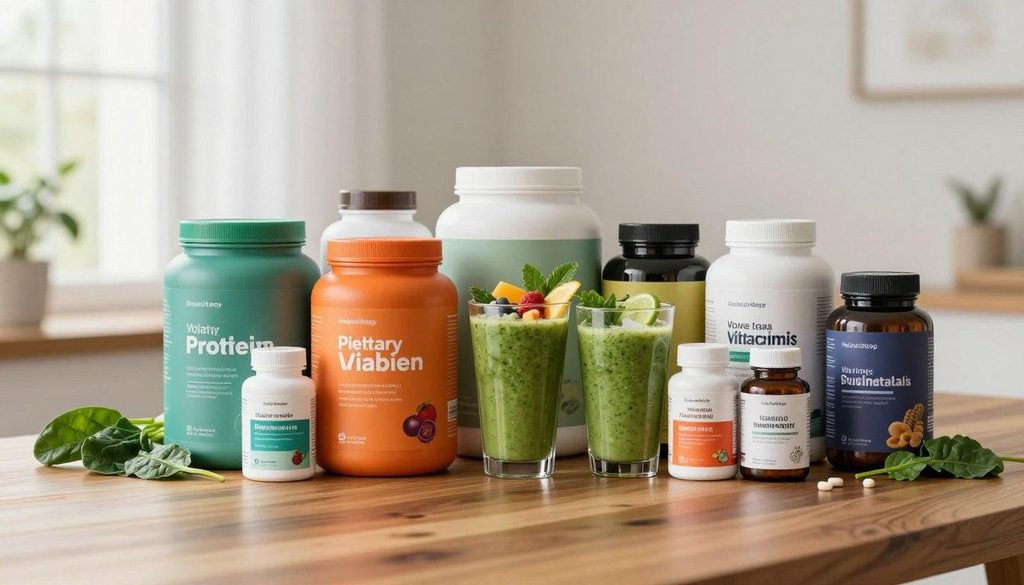
Many vitamins can be obtained from a balanced and varied diet.
Good food choices include:
- Fruits
- Vegetables
- Whole grains
- Beans
- Lentils
- Eggs
- Fish
- Dairy foods
- Nuts
- Seeds
One benefit of getting nutrients from food is that foods often provide several nutrients at the same time.
For example, a meal containing vegetables, whole grains, beans, and nuts can provide a variety of vitamins, minerals, fiber, protein, and other nutrients.
This is one reason supplements should generally be viewed as an addition to a healthy diet rather than a replacement for nutritious food.
When Might a Vitamin Supplement Be Useful?
A vitamin supplement may be useful in certain situations.
For example, a qualified healthcare professional may recommend one when:
- A nutrient deficiency has been identified
- A person’s diet does not provide enough of a nutrient
- Certain dietary restrictions make a nutrient harder to obtain
- Nutritional needs are higher in a particular situation
However, the right supplement and amount can vary from person to person.
It is better to choose a supplement based on your needs instead of taking products simply because they are popular.
What About Multivitamins?
A multivitamin is a dietary supplement that contains a combination of vitamins and sometimes minerals.
It may seem convenient because it provides several nutrients in one product.
But a multivitamin is not automatically needed by everyone.
Before choosing one, check:
- Which vitamins it contains
- Which minerals it contains
- Amount per serving
- Serving size
- Other ingredients
- Allergen information
- Product directions
Also check whether you are already taking another supplement containing the same nutrients.
Taking several products with overlapping ingredients can increase your total intake.
Vitamins and Protein Supplements Are Different
This is especially important for people who are new to sports nutrition.
Protein is a macronutrient, not a vitamin.
Protein can be found naturally in foods such as:
- Eggs
- Chicken
- Fish
- Milk
- Yogurt
- Beans
- Lentils
- Tofu
- Nuts and seeds
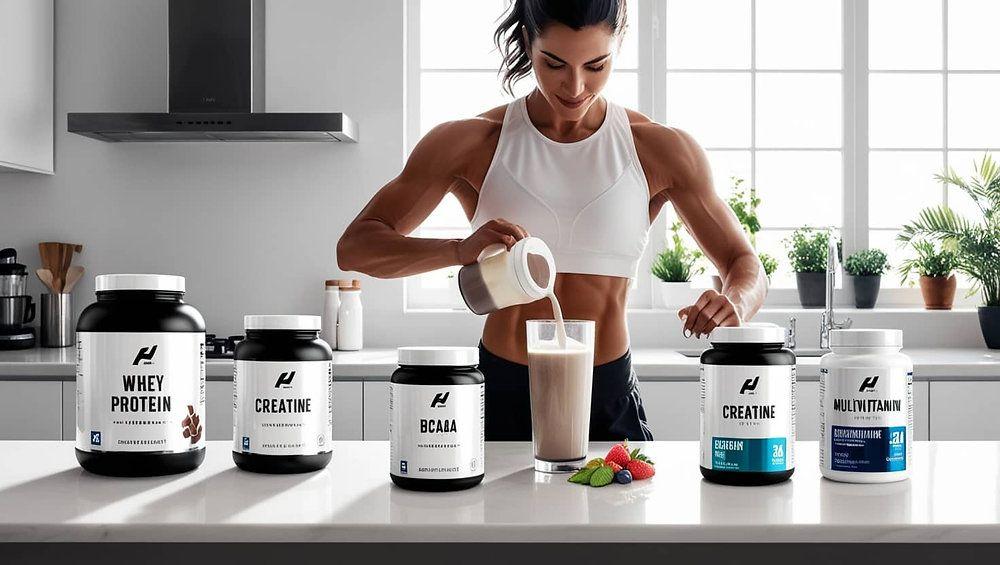
Protein powders are dietary supplements that can provide a convenient source of protein.
They are different from vitamin supplements.
For example:
Protein powder → provides protein
Vitamin D supplement → provides vitamin D
Multivitamin → provides a combination of vitamins and possibly minerals
Each product serves a different nutritional purpose.

How to Choose Between Vitamins and Supplements
Instead of asking, “Which supplement is best?”, start by asking:
“What do I actually need?”
Then consider these steps.
1. Look at your diet
Think about the foods you normally eat.
A varied diet can provide many important nutrients.
2. Identify your goal
Do you want to add protein? Meet a specific nutrient need? Add convenience to your diet?
Having a clear reason can help narrow your options.
3. Read the label
Check the ingredients, serving size, amounts, directions, and warnings.
4. Check for overlapping nutrients
If you already take a multivitamin, check other products before adding more vitamins or minerals.
5. Avoid unrealistic promises
Be careful with products that promise instant results, guaranteed weight loss, or dramatic health changes.
6. Ask a professional when needed
If you take medicines, have a medical condition, are pregnant or breastfeeding, or are unsure about a supplement, speak with a qualified healthcare professional.
Common Mistakes to Avoid
Thinking all supplements are vitamins
They are not. Supplements can contain many different types of ingredients.
Taking vitamins without a reason
More is not always better. Choose products based on your nutritional needs.
Replacing meals with supplements
Supplements should not replace a balanced and varied diet.
Taking multiple products without checking labels
Several products may contain the same vitamin or mineral.
Believing every supplement claim
Marketing claims do not automatically mean a product will work for everyone.
A Simple Example
Imagine three people:
Person A wants to add more protein to their diet.
A protein supplement may be a convenient option if they struggle to get enough protein from food.
Person B has been advised by a healthcare professional that they need more of a specific vitamin.
A specific vitamin supplement may be appropriate.
Person C already eats a varied diet and has no identified nutritional need for a supplement.
They may not need to add one simply because it is popular.
This shows why there is no single supplement that is right for everyone.
FAQs About Vitamins and Supplements
Are vitamins and supplements the same thing?
No. Vitamins are nutrients, while dietary supplements are products that can contain vitamins, minerals, protein, omega-3s, probiotics, and other ingredients.
Is a vitamin a supplement?
A vitamin itself is a nutrient. When you take that vitamin in a tablet, capsule, gummy, or other supplement form, it is part of a dietary supplement product.
Are protein powders vitamins?
No. Protein powders are dietary supplements that provide protein. Protein is a macronutrient, not a vitamin.
Do I need vitamin supplements every day?
Not necessarily. Whether you need a supplement depends on your diet and individual nutritional needs.
Can I get vitamins from food?
Yes. Many vitamins can be obtained from a varied diet containing fruits, vegetables, whole grains, protein foods, dairy or alternatives, nuts, and seeds.
Is a multivitamin necessary for everyone?
No. A multivitamin may be useful for some people, but it is not automatically necessary for everyone.
Can I take vitamins with other supplements?
Sometimes, but check the ingredients first. Different products may contain the same vitamins or minerals.
Should I ask a doctor before taking supplements?
If you take medicines, have a medical condition, are pregnant or breastfeeding, or are unsure whether a supplement is suitable for you, speaking with a qualified healthcare professional is a good idea.
Conclusion
The difference between vitamins and supplements is simple once you understand the terms.
Vitamins are nutrients that your body needs. Dietary supplements are products that can provide vitamins, minerals, protein, omega-3s, probiotics, and other dietary ingredients.
The best choice depends on your diet and individual needs.
Start with healthy food, understand what your body needs, read supplement labels carefully, and avoid products that make unrealistic promises.
At wellnesscarts.com, we believe good nutrition starts with good information. Our goal is to make vitamins, supplements, protein nutrition, and healthy eating easier to understand.
Nutrition first. Better choices. Everyday wellness.
