
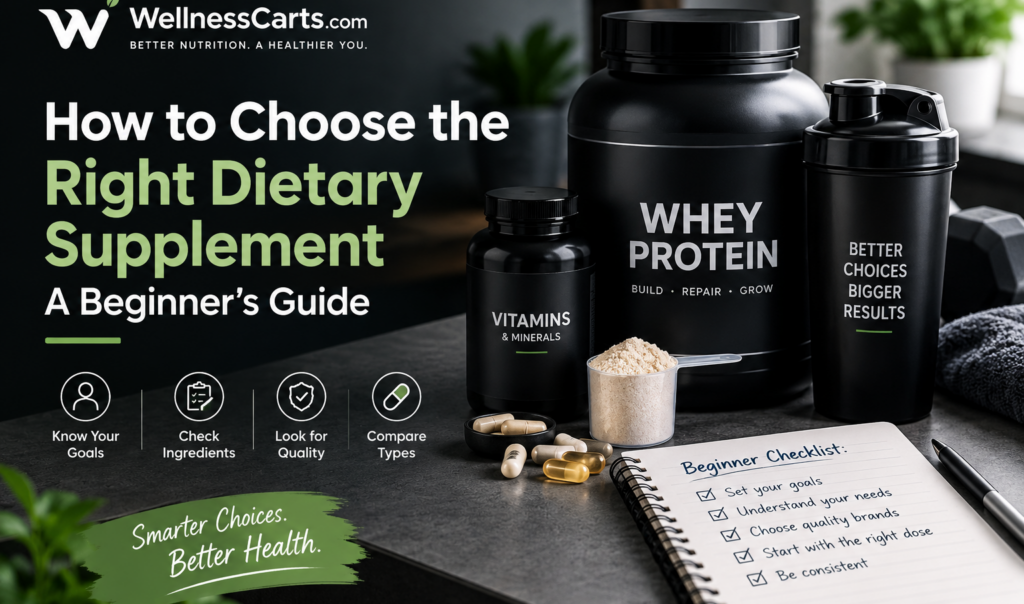
Walking into a supplement store or browsing online can feel confusing. There are vitamins, minerals, protein powders, probiotics, omega-3 supplements, and many other products.
But how do you know which one is right for you?
Choosing a dietary supplement should not be based only on a popular product, attractive packaging, or a big promise. It is better to start with your nutrition needs, goals, ingredients, and product quality.
This simple guide will help you understand how to choose the right dietary supplement and what to check before buying one.
What Is a Dietary Supplement?
A dietary supplement is a product designed to add nutrients or other dietary ingredients to your diet.
Common examples include:
- Vitamins
- Minerals
- Protein supplements
- Omega-3 supplements
- Probiotics
- Amino acids
- Certain herbal ingredients
Supplements can be useful in some situations. However, they are not meant to replace a healthy and balanced diet.
The right supplement depends on the person. A product that may be useful for one person may not be needed by another.
Start With Your Nutrition Needs
Before choosing a supplement, ask yourself a simple question:
Why do I want to take it?
You may be looking to:
- Fill a known nutrition gap
- Support your daily nutrient intake
- Add protein to your diet
- Support an active lifestyle
- Meet a specific dietary need
Having a clear reason can help you avoid buying products you do not need.
For example, someone who finds it difficult to get enough protein from food may consider a protein supplement as a convenient option. Someone with a confirmed nutrient deficiency may be advised by a healthcare professional to use a specific vitamin or mineral supplement.
Understand the Different Types of Supplements
Knowing the basic types can make your choice easier.
Vitamins
Vitamins are nutrients your body needs for normal functions. Examples include vitamin D, vitamin C, and B vitamins.
A vitamin supplement may be useful when your diet does not provide enough of a particular vitamin or when a healthcare professional recommends one.
Minerals
Minerals include nutrients such as calcium, iron, magnesium, and zinc.
Different minerals have different roles in the body. Taking more is not always better, so it is important to choose products based on your actual needs.
Protein Supplements
Protein powders and other protein products can make it easier to add protein to your diet.
They can be useful for people who have higher protein needs or simply find it difficult to get enough protein from regular meals.
Omega-3 Supplements
Omega-3 supplements are commonly made from fish oil, algae oil, or other sources.
Check the label carefully to understand the source and the amount of omega-3 provided.
Probiotics
Probiotics contain live microorganisms. Different products can contain different strains and amounts.
If you are considering a probiotic, look at the product label and understand what it contains rather than choosing one only because it is popular.
Read the Supplement Label Carefully
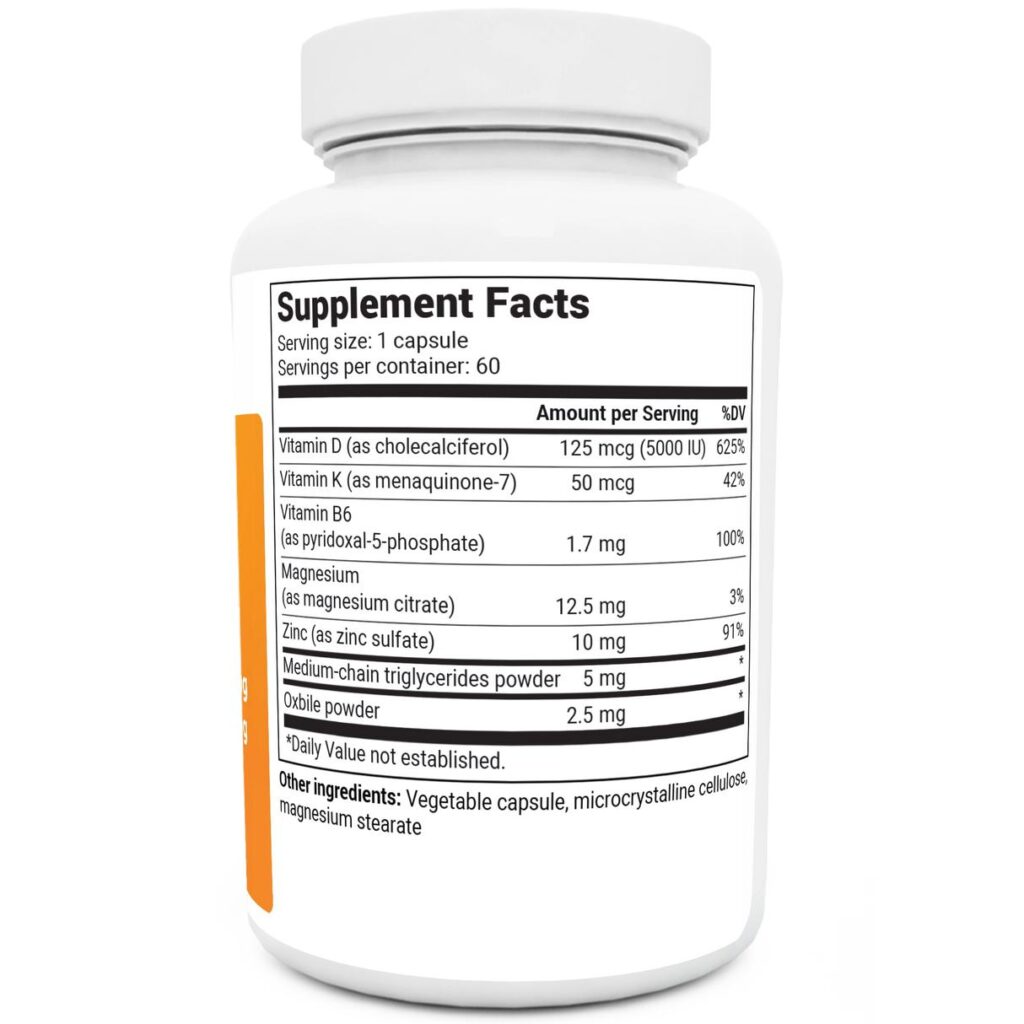
One of the best ways to choose a supplement is to learn how to read its label.
Do not look only at the front of the package.
Check:
- Product name
- Serving size Ingredients
- Amount of each nutrient or ingredient
- Suggested use
- Allergen information
- Storage instructions
- Expiry or best-before information
- Manufacturer information
- Required regulatory or quality information
The serving size is especially important. A bottle may appear to contain a large amount, but you need to know how many servings it provides.
Also compare the ingredient amounts between products. Two supplements with similar packaging may have very different formulas.
Look at the Ingredients, Not Just the Claims
Supplement packaging can make a product look impressive.
Words such as “advanced,” “premium,” or “complete” do not tell you everything about the product.
Instead, focus on the actual ingredients and amounts.
For example, if you are comparing two protein powders, look at:
- Protein per serving
- Serving size
- Added sugars
- Other ingredients
- Allergens
- Your dietary preferences
The same approach can be used for vitamins, minerals, probiotics, and other supplements.
The ingredient list is often more useful than the marketing message on the front of the package.
Consider Product Quality
Quality matters when choosing a dietary supplement.
Look for products from established manufacturers that provide clear product information. Depending on the product and market, you may also want to look for appropriate quality testing or certification.
Be careful with products that:
- Hide important ingredient information
- Make extreme health claims
- Promise instant results
- Claim to work for everyone
- Provide unclear manufacturer details
- Use unclear or misleading labeling
A professional supplement brand should make it easy for you to understand what is in the product.
Do Not Choose a Supplement Only Because It Is Popular
Social media can make certain supplements look like must-have products.
But popularity does not mean a product is right for you.
Your nutrition needs, diet, lifestyle, age, and health situation are more important than what is trending online.
Before buying a supplement, ask:
Do I have a real reason to use this product?
If the answer is unclear, take some time to learn more before purchasing.
Be Careful With Dosage
More is not always better.
Some nutrients can cause problems when taken in excessive amounts. This is one reason it is important to follow the product directions and avoid taking several products that contain the same nutrient without checking the total amount.
For example, a person taking a multivitamin may also be using another product that contains the same vitamins or minerals.
Reading all labels can help you spot overlapping ingredients.
If you are unsure about the right amount for you, speak with a qualified healthcare professional.

Think About Your Diet First
Supplements work best as part of an overall healthy lifestyle.
Before adding a supplement, look at your everyday diet.
Try to include:
- Fruits and vegetables
- Whole grains
- Protein-rich foods
- Healthy sources of fat
- Enough fluids
- A variety of nutrient-rich foods
Food provides many nutrients and other useful components. Supplements can help meet certain nutritional needs, but they should not be seen as a replacement for healthy meals.
Check for Allergies and Dietary Preferences
Always check the ingredient list if you have food allergies or follow a special diet.
Some supplements may contain ingredients from:
- Milk
- Soy
- Eggs
- Fish
- Shellfish
- Gluten-containing sources
- Other allergens
People following vegetarian, vegan, halal, or other dietary preferences should also check the source of ingredients carefully.
When in doubt, check the product information or contact the manufacturer.
Ask a Healthcare Professional When Needed
Some people should get professional advice before starting a dietary supplement.
This is especially important if you:
- Take prescription or other medicines
- Have a medical condition
- Are pregnant or breastfeeding
- Are considering supplements for a child
- Have allergies or sensitivities
- Are unsure about possible interactions
A doctor, pharmacist, dietitian, or other qualified healthcare professional can help you understand whether a supplement is appropriate for your situation.
Common Mistakes to Avoid
Choosing based on price alone
A cheap product is not automatically better, and an expensive product is not automatically higher quality.
Compare the ingredients, serving size, product information, and overall value.
Believing every health claim
Be cautious about products that promise dramatic or instant results.
Good nutrition usually takes consistent habits, not one magic product.
Ignoring the serving size
Always check how much you are expected to take and how many servings the package contains.
Taking too many supplements
Using several products at once can increase the chance of overlapping ingredients.
Keep track of what you take.
Buying without checking the label
Never rely only on the product name or front packaging. Read the full label before making your decision.

A Simple Checklist Before Buying
Use this quick checklist when choosing your next dietary supplement:
1. Do I know why I need it?
Start with your nutrition needs or personal goal.
2. Have I checked the ingredients?
Know what you are putting into your body.
3. Have I checked the serving size?
Understand how much the product provides.
4. Have I checked for allergens?
Make sure the ingredients fit your dietary needs.
5. Does the product provide clear information?
Look for transparent labeling and manufacturer details.
6. Am I already taking something similar?
Check for overlapping vitamins, minerals, or other ingredients.
7. Do I need professional advice?
If you take medicines or have a health concern, ask a qualified healthcare professional.
FAQs About Choosing Dietary Supplements
How do I choose the right dietary supplement?
Start by identifying why you want a supplement. Then check the ingredients, serving size, quality information, allergens, and product directions.
Should I take dietary supplements every day?
Not everyone needs supplements every day. It depends on your diet, nutritional needs, and the specific product. Follow the product directions and seek professional advice when needed.
Are dietary supplements a replacement for healthy food?
No. Supplements are designed to add to your diet. They should not replace a balanced and varied diet.
How do I know if a supplement is safe for me?
Read the label carefully and consider your health needs, allergies, and other medicines or supplements you take. Ask a qualified healthcare professional if you are unsure.
Is a more expensive supplement better?
Not necessarily. Price alone does not determine quality. Compare ingredients, amounts, serving size, labeling, and manufacturer information.
Can I take multiple supplements together?
Sometimes, but you should check the ingredients first. Different products may contain the same vitamins or minerals. A healthcare professional can help if you are unsure.
Should I buy supplements because they are popular online?
Not necessarily. Popularity does not mean a product is suitable for you. Choose based on your own nutrition needs and reliable product information.

Conclusion
Choosing the right dietary supplement does not have to be complicated.
Start with your needs, not the marketing. Understand what the supplement contains. Read the label. Check the serving size and ingredients. Look for clear product information, and avoid products that make unrealistic promises.
Most importantly, remember that supplements are only one part of good nutrition. A balanced diet, regular physical activity, good sleep, and healthy daily habits are also important.
At WellnessCarts.com, our goal is to make nutrition and supplement information easier to understand. Learn about the ingredients, ask questions, and make choices that fit your needs.
Nutrition first. Better choices. Everyday wellness.
