
Walk into any health store and you may see hundreds of supplements.
There are vitamins, minerals, protein powders, multivitamins, omega-3 products, and many more.
Do I really need supplements?
Many people can get most of the nutrients they need from a balanced and varied diet. However, supplements can be useful in certain situations, particularly when someone is not getting enough of a specific nutrient or when a doctor or qualified health professional recommends one.
In this guide, we will explain what supplements are, when they may be helpful, what beginners should consider before taking them, and why healthy food should remain the foundation of good nutrition.
What Are Dietary Supplements?
Dietary supplements are products designed to add nutrients or other substances to your diet. They are available in many forms, including tablets, capsules, powders, gummies, liquids, and more.
Depending on the product, supplements may contain:
- Vitamins
- Minerals
- Protein
- Omega-3 fatty acids
- Herbs and botanical ingredients
- Other nutritional compounds
The key word is supplement. These products are intended to complement your diet rather than replace healthy meals.
Do You Need Supplements?
There is no single answer that applies to everyone.
Your nutritional needs can depend on factors such as your diet, age, lifestyle, and overall health. Someone who eats a varied diet may get adequate amounts of many nutrients from food, while another person may have a nutritional gap that requires attention.
Instead of asking:
Which supplement should everyone take?
A better question is:
Do I have a specific reason to take a supplement?
Understanding your individual needs is a much better starting point than buying supplements simply because they are popular.
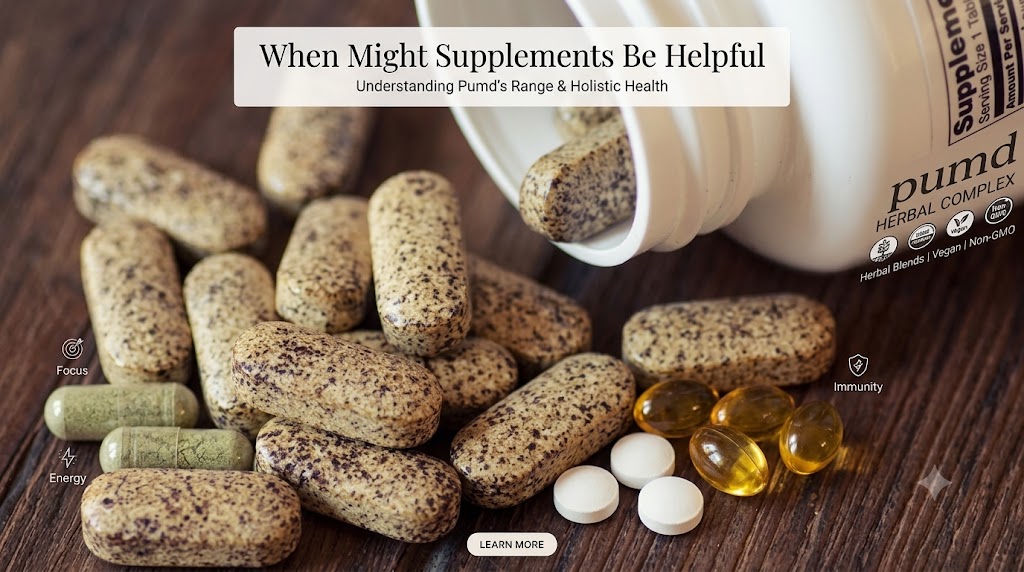
When Might Supplements Be Helpful?
Supplements may be appropriate in certain situations. Here are some common examples.
1. Your Diet Does Not Provide Enough of a Nutrient
Sometimes your regular diet may not provide enough of a particular vitamin or mineral.
In such cases, a supplement may help fill the nutritional gap when appropriate. However, it is important to understand why the gap exists rather than simply taking several supplements without a clear reason.
Improving your diet may sometimes be enough, while other situations may require professional guidance.
2. You Follow a Restricted Diet
Some dietary patterns limit or completely exclude certain food groups.
For example, people who avoid many animal-based foods may need to pay particular attention to nutrients that are commonly found in those foods.
If you follow a restricted diet, consider discussing your nutritional needs with a doctor or registered dietitian. They can help determine whether changes to your diet or a supplement may be appropriate.
3. A Health Professional Recommends One
A doctor or dietitian may recommend a supplement based on your diet, symptoms, laboratory results, life stage, or other individual factors.
If a health professional recommends a supplement, follow their instructions regarding the appropriate product and amount.
4. Your Nutritional Needs Are Higher
Nutritional needs can change during certain life stages and circumstances.
For example, pregnancy can increase the need for certain nutrients. Older adults and people with particular dietary restrictions may also have different nutritional considerations.
In these situations, supplements should be selected carefully and, when appropriate, with professional guidance.
Food Comes First
Before reaching for a supplement, take a look at your everyday diet.
A balanced diet can provide a wide range of vitamins, minerals, protein, healthy fats, fiber, and other beneficial compounds.
Nutrient-rich foods include:
- Fruits and vegetables
- Whole grains
- Beans and lentils
- Nuts and seeds
- Dairy products
- Eggs
- Fish
- Meat and poultry
Different foods provide different nutrients, which is one reason variety matters.
Whole foods can also provide components that many supplements do not provide in the same combination, such as fiber and a wide range of naturally occurring compounds.
For this reason, supplements are generally best viewed as an addition to a healthy diet—not a replacement for it.
Can Supplements Replace Healthy Food?
A supplement can provide specific nutrients, but it cannot reproduce everything that a varied diet provides.
For example, taking a vitamin tablet does not mean you no longer need fruits and vegetables. Similarly, taking a protein powder does not automatically make up for a diet that lacks other nutritious foods.
Healthy nutrition is about the overall pattern of what you eat.
Think of supplements as one small piece of the nutrition puzzle—not the entire puzzle.
What About Multivitamins?
Multivitamins contain a combination of vitamins and, in some cases, minerals.
They may be useful for certain people depending on their diet and nutritional needs. However, taking a multivitamin does not turn an unhealthy diet into a healthy one.
If you are considering a multivitamin, read the label carefully and consider whether you actually need the nutrients it provides.
When you are unsure, a doctor or qualified dietitian can help you make a more informed decision.
What About Protein Supplements?
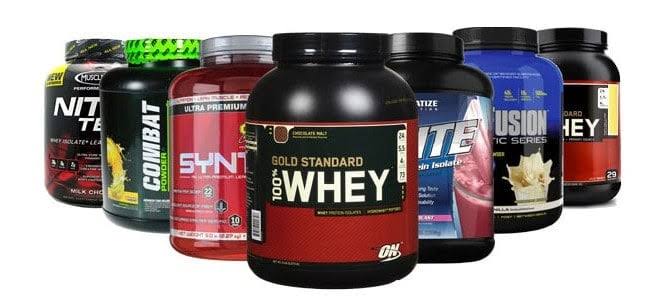
Protein powders and other protein supplements are popular among people who exercise, play sports, or simply want a convenient way to increase their protein intake.
They can be useful when getting enough protein from regular food is difficult or inconvenient.
However, protein is also available from many everyday foods, including:
- Eggs
- Milk
- Yogurt
- Beans
- Lentils
- Fish
- Chicken
- Nuts
- Seeds
If your regular diet already provides enough protein, you may not need a protein supplement.
The important thing is to consider your total protein intake and overall diet, rather than assuming that a supplement is automatically necessary.
Are More Supplements Better?
No. More is not always better.
Taking excessive amounts of certain nutrients can cause problems. In addition, taking multiple products can result in unnecessary overlap.
For example, you might take a multivitamin along with another supplement that contains some of the same vitamins or minerals.
That is why it is important to check the labels of all the products you take.
Avoid the idea that taking more supplements will automatically lead to better health. Good nutrition is about getting the right nutrients in appropriate amounts—not taking as many products as possible.

What Should You Check Before Taking a Supplement?
Before buying or taking a supplement, ask yourself a few basic questions.
What Is My Reason for Taking It?
Start by identifying your goal.
Are you trying to address a specific nutritional gap, increase protein intake, or follow professional advice?
Avoid taking a supplement simply because it is trending on social media.
What Does the Label Say?
Read the product label carefully.
Check:
- Ingredients
- Serving size
- Amount per serving
- Suggested use
- Expiry date
- Storage instructions
- Other relevant warnings
Understanding what you are taking can help you avoid unnecessary or excessive intake.
Do I Already Get This Nutrient From Food?
Consider your regular meals before buying a supplement.
You may already be getting enough of the nutrient through your diet. If so, adding another product may not provide any meaningful benefit.
Could It Interact With My Medicine?
Some supplements can interact with medicines.
If you take prescription or over-the-counter medicines, have a medical condition, or are unsure whether a supplement is appropriate for you, speak with a doctor or pharmacist before starting it.
Be Careful With Big Promises
The supplement industry includes many products marketed with impressive claims.
Be cautious of statements such as:
- Instant results
- Guaranteed results
- Works for everyone
- Miracle formula
- No effort required
Health and nutrition are rarely that simple.
Long-term health is supported by consistent habits such as eating a nutritious diet, staying physically active, getting adequate sleep, and taking care of your overall well-being.
How to Make a Smart Supplement Choice
If you believe a supplement may be useful, take a thoughtful approach.
Step 1: Identify Your Need
First, understand what nutrient or nutritional goal you are trying to address.
Step 2: Check Your Diet
Look at your everyday meals and determine whether you can improve your nutrient intake through food.
Step 3: Read the Label
Check the ingredients, serving size, amount per serving, directions, and expiry date.
Step 4: Choose a Trusted Product
Purchase supplements from a reliable source. Check the packaging and product information carefully before use.
Step 5: Ask for Professional Advice When Needed
If you are unsure about whether a supplement is right for you, speak with a qualified health professional.
Professional guidance is particularly important if you take medication, have a medical condition, are pregnant, or have specific nutritional needs.

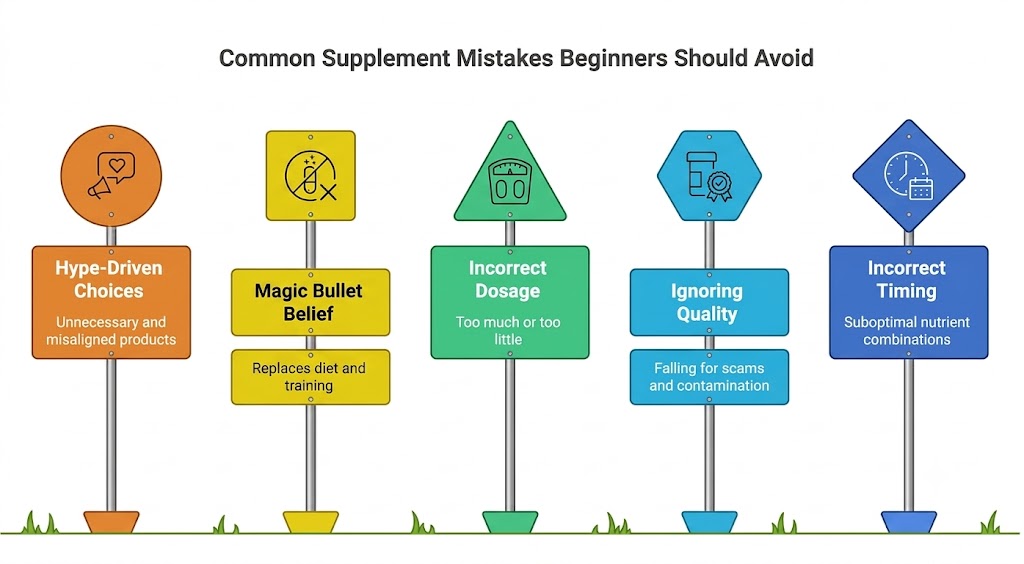
Common Supplement Mistakes Beginners Should Avoid
Taking Supplements Without a Reason
Do not take a supplement simply because a celebrity, influencer, friend, or social media post recommends it.
Replacing Meals With Supplements
Most supplements are not intended to replace balanced meals.
Even if a product provides certain vitamins, minerals, or protein, it does not necessarily provide the full range of nutrients found in a varied diet.
Taking Too Many Products
Using several supplements at the same time can increase the chance of unnecessary ingredient overlap.
Keep track of what you are taking and check labels carefully.
Ignoring the Label
Never assume that every supplement is the same.
Read the label to understand exactly what the product contains and how it should be used.
Expecting Instant Results
Supplements are not a shortcut to good health.
Healthy results generally come from consistent habits over time, including nutritious eating, physical activity, quality sleep, and other healthy lifestyle choices.
Frequently Asked Questions
Do Healthy People Need Supplements?
Not necessarily.
Many people can get the nutrients they need from a varied and balanced diet. Whether a supplement is useful depends on an individual’s diet and nutritional needs.
Can I Take Supplements Every Day?
Some supplements are designed for daily use, but the appropriate amount depends on the specific nutrient, product, and individual.
Follow the product instructions and seek professional advice when appropriate.
Are Multivitamins Necessary?
Not for everyone.
Some people may benefit from a multivitamin depending on their diet and nutritional needs, while others may not need one.
Can Supplements Replace a Healthy Diet?
No.
Supplements are intended to add to your diet, not replace a balanced eating pattern.
Should I Ask a Doctor Before Taking Supplements?
If you take medicines, have a medical condition, are pregnant, or are unsure whether a particular supplement is suitable for you, it is a good idea to speak with a qualified health professional.
Final Thoughts
So, do you really need supplements?
Maybe—but not everyone does.
For most people, the best place to start is with a balanced and varied diet. If your diet does not provide enough of a specific nutrient, or a qualified health professional recommends supplementation, a supplement may have a useful role.
Before taking any supplement, understand why you need it, what it contains, and how much you are taking.
Most importantly, remember that supplements are not a substitute for healthy habits.
Good health is built through consistent nutrition and lifestyle choices—not simply by taking more supplements.