
Have you ever picked up a supplement and felt confused by the label?
You are not alone.
Supplement labels can contain many details, including serving size, ingredients, nutrient amounts, directions, and warnings. Knowing what these details mean can help you make more informed choices.
Whether you are buying a vitamin, mineral, protein powder, probiotic, or another dietary supplement, learning to read the label is an important skill.
In this guide, we will explain the main parts of a supplement label in simple language.
Why Is It Important to Read a Supplement Label?
The front of a supplement package usually shows the product name and main claims. But the front does not tell you everything.
The back or side of the package often provides more useful information.
Reading the label can help you understand:
- What the product contains
- How much to take
- How many servings are in the package
- The amount of each nutrient or ingredient
- Other ingredients used in the product
- Allergen information
- Storage instructions
- Important warnings
This information can help you compare different products and choose one that fits your needs.

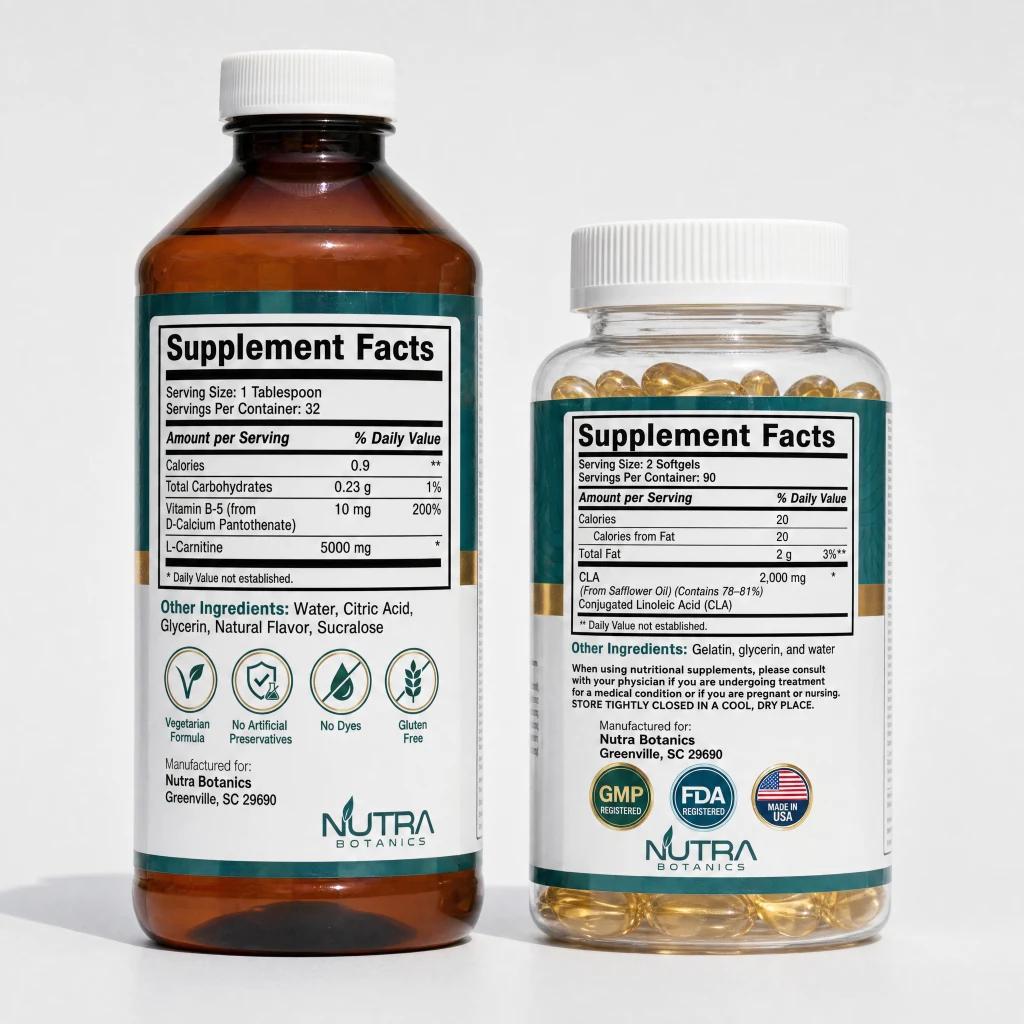
1. Check the Serving Size
One of the first things to look for is the serving size.
The serving size tells you how much of the product is considered one serving.
For example, a protein powder may list one scoop as a serving. A vitamin product may list one or two capsules as a serving.
This matters because the amounts listed on the label are usually based on that serving size.
Why Does Serving Size Matter?
Imagine two protein powders.
Product A provides 20 grams of protein per serving.
Product B provides 25 grams of protein per serving.
At first, Product B may look better.
But if Product A uses one scoop and Product B uses two scoops, the comparison becomes different.
Always check the serving size before comparing products.
2. Look at the Number of Servings
Next, check how many servings the package contains.
A container may look large, but it may provide fewer servings than you expect.
For example:
Package size: 1 kg
Serving size: 30 g
Servings: About 33
This information can help you understand how long the product may last.
It can also help you compare the value of different products.
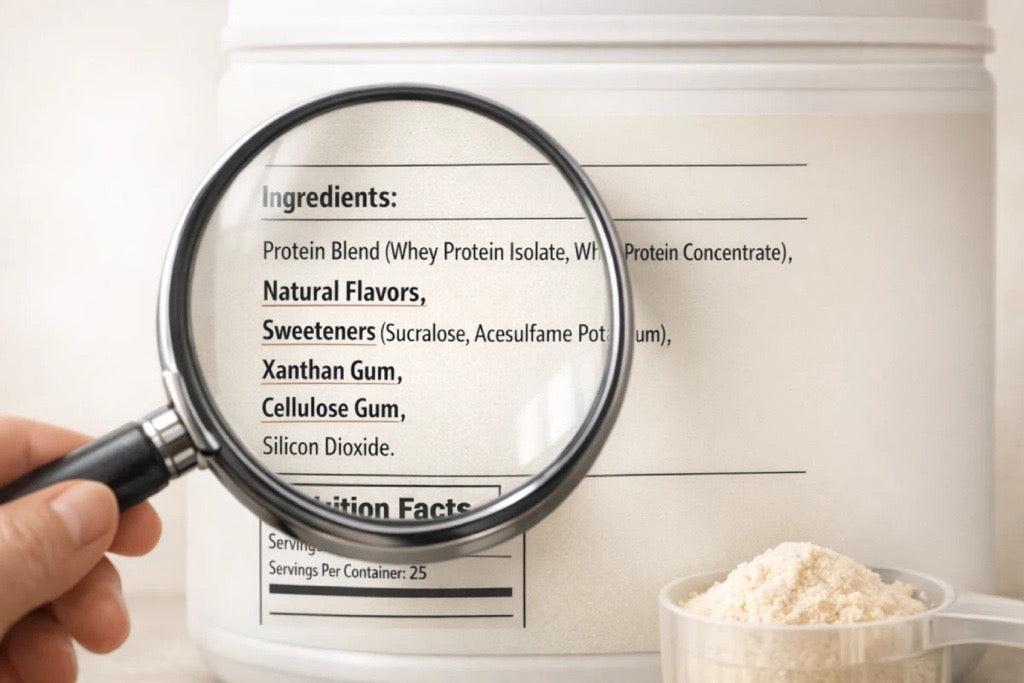
3. Read the Ingredient List
The ingredient list tells you what is actually inside the product.
Do not choose a supplement based only on the product name or front label.
Look at the full ingredient list.
Depending on the product, you may see:
Vitamins
- Minerals
- Protein sources
- Amino acids
- Probiotic strains
- Flavors
- Sweeteners
- Color additives
- Other ingredients
If you have food allergies or follow a specific diet, the ingredient list becomes especially important.
4. Check the Amount of Each Nutrient
For vitamin and mineral supplements, look at the amount provided per serving.
For example, a product may contain vitamin C, vitamin D, zinc, or magnesium.
The label should tell you how much of each nutrient is included.
For protein products, you may want to check:
- Protein per serving
- Carbohydrates
- Fat
- Sugar
- Calories
The amount you need depends on your individual diet and goals. More is not automatically better.
5. Understand Daily Value Information
Some supplement labels may provide a percentage of a daily value for certain nutrients.
This percentage can help you understand how much of a nutrient the serving provides compared with a general daily reference.
However, daily nutrient needs can vary from person to person.
Use this information as a guide rather than assuming that a higher percentage is always better.
6. Look at Other Ingredients
The main ingredients are not the only things worth checking.
Many supplements contain other ingredients that help with flavor, texture, stability, or appearance.
These may include:
- Natural or artificial flavors
- Sweeteners
- Thickeners
- Preservatives
- Coloring ingredients
These ingredients are not automatically bad. The important thing is to understand what you are buying and choose a product that fits your preferences.
For example, if you prefer a protein powder with no added sugar, check the nutrition panel and ingredient list instead of relying on the product name.
7. Check Allergen Information
Allergen information is important for people with food allergies or sensitivities.
Depending on the product, ingredients may come from sources such as:
- Milk
- Soy
- Eggs
- Fish
- Shellfish
- Wheat
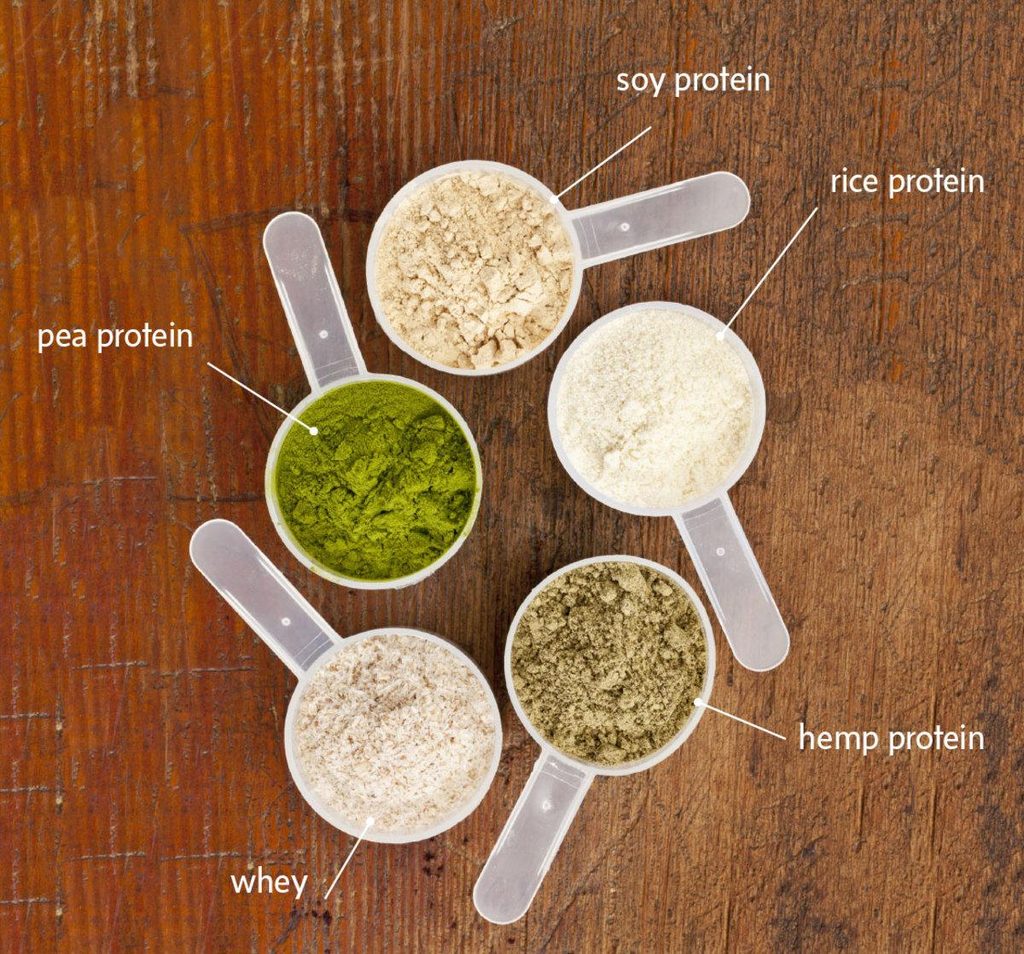
Protein supplements are a good example.
Whey and casein proteins come from milk, while some plant protein powders may use pea, soy, rice, or other plant sources.
Always check the label if you need to avoid a particular ingredient.
8. Read the Suggested Use
The suggested use section explains how the manufacturer recommends using the product.
It may tell you:
- How much to take
- How often to take it
- Whether to take it with food
- How to mix a powder
- Other instructions for use
Follow the product directions unless a qualified healthcare professional gives you different advice.
Do not assume that taking more will provide better results.
9. Check Warnings and Storage Instructions
Some supplements include important warnings.
Read these before using the product.
Also check storage instructions.
For example, a product may need to be stored:
- In a cool, dry place
- Away from direct sunlight
- With the container tightly closed
- Away from children
Following storage instructions can help maintain product quality.
10. Check the Expiry or Best-Before Date
Always check the date on the package before buying or using a supplement.
Avoid using products that are past their stated date.
Also check the packaging for signs of damage, such as:
- Broken seals
- Leaking containers packaging
- Unusual changes in the product
- Damaged packaging
If something looks wrong, contact the seller or manufacturer before using it.
11. Look for Clear Manufacturer Information
A trustworthy supplement label should provide clear information about the company responsible for the product.
Look for details such as:
- Manufacturer or brand name
- Contact information
- Product information
- Required regulatory details
- Batch or lot information where applicable
Clear labeling makes it easier to find help if you have a question about the product.
How to Compare Two Supplements
When comparing two similar supplements, do not simply choose the one with the bigger package.
Compare them side by side.
Check:
| What to Compare | Why It Matters |
| Serving size | Shows how much provides one serving |
| Main ingredients | Helps you understand the formula |
| Amount per serving | Helps compare nutrient levels |
| Other ingredients | Shows what else is included |
| Allergens | Important for dietary restrictions |
| Servings per package | Helps compare overall value |
| Directions | Explains how the product should be used |
| Manufacturer information | Helps you learn more about the product |

Common Mistakes When Reading Supplement Labels
Only reading the front of the package
The front may highlight the product’s main features, but the full label provides much more information.
Ignoring serving size
A large number on the label may look impressive until you check how many scoops or capsules make up one serving.
Looking only at price
A lower price does not always mean better value. Compare the amount per serving and number of servings.
Ignoring other ingredients
If you have allergies or dietary preferences, always read the complete ingredient list.
Assuming more is better
Higher amounts are not automatically better. Follow the label and seek professional advice when needed.
Taking several products without checking ingredients
Different supplements may contain the same vitamins or minerals. Check all your products to avoid unnecessary overlap.
A Simple Supplement Label Checklist
Before buying a dietary supplement, ask:
✓ What is the serving size?
✓ What are the main ingredients?
✓ How much does each serving provide?
✓ What other ingredients are included?
✓ Does it contain any allergens I need to avoid?
✓ How many servings are in the package?
✓ What are the directions for use?
✓ Are there any warnings?
✓ Is the product within its stated date?
✓ Is the manufacturer information clear?
If you can answer these questions, you will have a much better understanding of the product you are considering.
When Should You Ask a Healthcare Professional?
Reading a label is useful, but it cannot tell you whether a supplement is right for your individual health needs.
Speak with a qualified healthcare professional if you:
- Take prescription medicines
- Have a medical condition
- Are pregnant or breastfeeding
- Are considering a supplement for a child
- Have food allergies or sensitivities
- Are unsure about possible interactions
- Are unsure whether you need a supplement
Professional advice can help you make a safer and more informed choice.
FAQs About Supplement Labels
What is the most important part of a supplement label?
The serving size, ingredient list, nutrient amounts, directions, warnings, and allergen information are all important.
Why is serving size important?
The amounts listed on the label are usually based on the serving size. It helps you understand how much of each ingredient you are getting.
Should I read the entire supplement label?
Yes. The front of the package does not provide all the information. Check the ingredient list, nutrition information, directions, warnings, and other details.
Is a higher amount of a nutrient better?
Not always. Your body has different nutrient needs, and more is not automatically better.
How do I check if a protein powder is good?
Compare the protein per serving, serving size, ingredients, added sugar, allergens, and other nutritional information. Choose a product that fits your needs.
Can I take several supplements together?
It depends on the products and your individual situation. Check for overlapping ingredients and ask a healthcare professional if you are unsure.
What should I do if I do not understand a supplement label?
Start with the serving size and ingredient list. If you still have questions, contact the manufacturer or speak with a qualified healthcare professional.
Conclusion
Learning how to read a supplement label can make choosing dietary supplements much easier.
Do not focus only on the front of the package. Check the serving size, ingredients, nutrient amounts, allergens, directions, warnings, expiry date, and manufacturer information.
Most importantly, choose supplements based on your individual needs rather than marketing claims or trends.
At wellnesscarts.com, we believe better supplement choices start with better information. Take time to understand the label, compare your options, and choose products that fit your nutrition needs.
Nutrition first. Better choices. Everyday wellness.
